
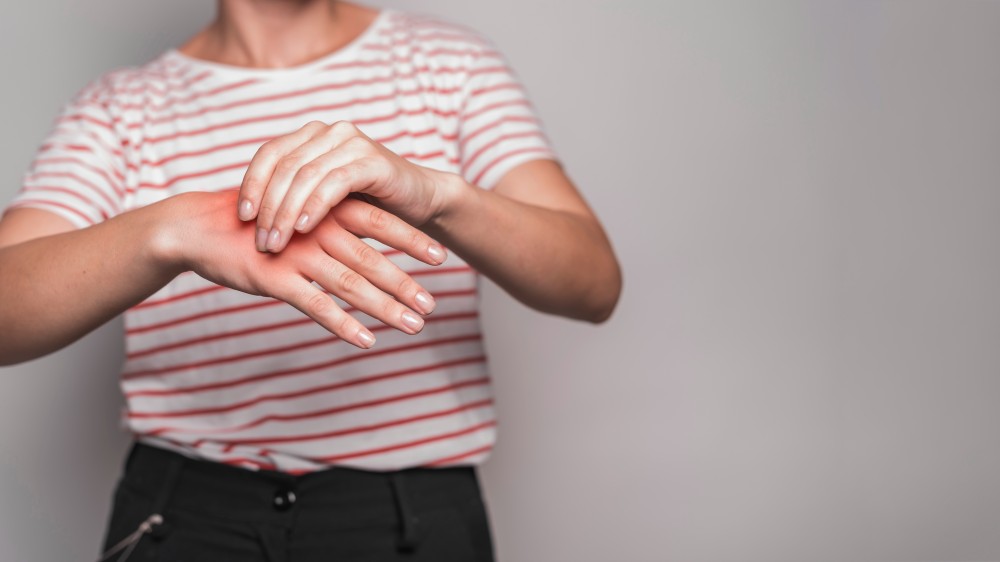
It starts with something so small that you barely notice it. You twist open a water bottle and feel a sharp pain at the base of your thumb. The next day, holding your coffee mug feels uncomfortable. A few days later, even scrolling through your phone or turning a doorknob becomes painful.
At first, you assume it’s just overuse.
Maybe you’ve been texting too much, spending long hours on a computer, gardening over the weekend, or carrying your young child more often than usual.
But as the discomfort continues, you begin avoiding everyday activities because every movement reminds you that something isn’t right.
This is the reality for many people living with thumb joint pain.
Although the thumb is one of the smallest joints in the body, it performs hundreds of movements every single day. Whether you’re writing, cooking, driving, typing, gripping tools, or simply buttoning a shirt, your thumb plays an essential role in almost every hand movement.
When pain develops, even the simplest daily tasks can become frustrating.
Understanding what causes thumb joint pain, recognizing the early warning signs, and seeking treatment before the condition worsens can help restore hand function and prevent long-term joint damage.
Why Is the Thumb So Important?
Unlike the other fingers, the thumb has a unique range of motion that allows us to grip, pinch, lift, twist, and hold objects with precision.
This incredible flexibility is made possible by several important structures working together:
- Bones
- Joints
- Cartilage
- Ligaments
- Tendons
- Muscles
- Nerves
Because the thumb is involved in nearly every hand movement, it experiences constant stress throughout the day.
Over time, repetitive use, injuries, aging, or arthritis can place additional strain on the joint, leading to pain, stiffness, and reduced mobility.
Common Causes of Thumb Joint Pain
Thumb pain isn’t a condition itself, it’s a symptom of an underlying problem. Identifying the exact cause is the first step toward effective treatment.
1. Thumb Osteoarthritis
One of the most common causes of thumb joint pain is osteoarthritis. As we age, the protective cartilage that cushions the joint gradually wears away.
Without this smooth cartilage, the bones begin rubbing against one another, leading to:
- Pain during gripping
- Swelling
- Stiffness
- Weakness
- Reduced range of motion
Thumb arthritis is especially common in adults over the age of 50, although it can occur earlier in people who perform repetitive hand movements.
2. Ligament Injuries
A sudden fall, sports injury, or awkward twist can overstretch or tear the ligaments that stabilize the thumb.
These injuries often occur during:
- Skiing
- Basketball
- Football
- Cycling accidents
- Falls onto an outstretched hand
Without proper treatment, ligament injuries may cause ongoing instability and chronic pain.
3. Tendinitis
Tendons connect muscles to bones and help your thumb move smoothly.
Repetitive activities such as typing, gaming, knitting, gardening, or using hand tools for extended periods can irritate these tendons.
Inflamed tendons often cause:
- Pain with movement
- Swelling
- Tenderness
- Difficulty gripping objects
Fortunately, early treatment often prevents the condition from becoming chronic.
4. De Quervain’s Tenosynovitis
This common overuse injury affects the tendons on the thumb side of the wrist.
It frequently develops in:
- New parents repeatedly lifting infants
- Office workers
- Hairstylists
- Musicians
- Construction workers
- People with repetitive hand motions
Pain usually worsens when grasping, twisting, or lifting objects.
5. Thumb Fractures
A direct blow to the hand during sports, falls, or motor vehicle accidents can fracture one of the thumb bones.
Unlike a simple sprain, fractures often cause:
- Immediate pain
- Significant swelling
- Bruising
- Difficulty moving the thumb
- Deformity in severe cases
Prompt medical evaluation is essential to ensure proper healing.
Symptoms That Shouldn’t Be Ignored
Thumb pain doesn’t always begin suddenly. In many cases, symptoms develop gradually over weeks or months. Common warning signs include:
1. Pain at the Base of the Thumb
Pain near the joint closest to the wrist is one of the earliest signs of thumb arthritis and several other joint conditions. Activities such as opening jars, turning keys, or carrying grocery bags often make the pain worse.
2. Stiffness
Many people notice stiffness first thing in the morning or after long periods of inactivity. The thumb may loosen slightly with movement before becoming painful again later in the day.
3. Swelling
Inflammation around the joint may cause noticeable swelling and tenderness. The area may also feel warm after repeated use.
4. Weak Grip Strength
Patients frequently describe dropping objects unexpectedly because their thumb no longer provides the strength it once did. Holding a coffee mug, gripping a steering wheel, or opening containers may suddenly become difficult.
5. Clicking or Grinding
Some people notice a clicking, popping, or grinding sensation when moving the thumb. These sounds often occur when cartilage begins wearing away inside the joint.
6. Limited Range of Motion
As the condition progresses, simple movements like pinching, gripping, or bending the thumb may become increasingly difficult. Without treatment, mobility may continue to decline over time.
When Is It Time to See a Specialist?
Many people wait until the pain becomes severe before seeking medical care. Unfortunately, delaying treatment often allows joint damage to progress.
You should schedule an evaluation if:
- Pain lasts longer than a few days.
- Swelling continues despite rest.
- You have difficulty gripping everyday objects.
- Your thumb feels unstable after an injury.
- Pain interferes with work or daily activities.
- Over-the-counter medications no longer provide relief.
- You notice weakness, numbness, or limited movement.
Early diagnosis often leads to simpler, more effective treatment and may help prevent permanent joint damage.
How Thumb Joint Pain Is Diagnosed
Finding the cause of thumb pain begins with a thorough evaluation. Your healthcare provider will ask questions such as:
- When did the pain begin?
- Was there an injury?
- Which activities make the pain worse?
- Is the pain constant or intermittent?
- Do you experience numbness or tingling?
- Have you had previous hand injuries?
A physical examination usually includes checking:
- Joint stability
- Thumb strength
- Range of motion
- Grip and pinch strength
- Swelling
- Tenderness
- Hand function during everyday movements
Depending on your symptoms, additional imaging may be recommended.
X-rays help detect arthritis, fractures, or changes in joint alignment, while MRI or ultrasound may be used to evaluate ligaments, tendons, cartilage, and other soft tissues when necessary.
A precise diagnosis allows your healthcare provider to develop a treatment plan that targets the underlying cause of your thumb joint pain rather than simply masking the symptoms.
Treatment Options for Thumb Joint Pain
One of the most common questions patients ask is: “Will I need surgery?” The answer depends on what’s causing your thumb pain.
The good news is that many cases of thumb joint pain improve with conservative treatment, especially when diagnosed early. The goal is not only to relieve pain but also to restore strength, improve movement, and prevent further damage to the joint.
1. Activity Modification
Sometimes, giving your thumb time to recover is one of the most effective treatments. Your healthcare provider may recommend temporarily reducing activities that repeatedly strain the joint, such as:
- Heavy lifting
- Opening tight jars or lids
- Using hand tools for extended periods
- Prolonged texting or smartphone use
- Repetitive typing without breaks
- Hobbies that require constant gripping, such as knitting or gardening
Small changes in your daily routine can significantly reduce stress on the thumb and allow irritated tissues to heal.
2. Thumb Splints and Braces
A thumb splint helps stabilize the joint and limits painful movements while the tissues recover. Many patients wear a splint:
- During daily activities
- At work
- While sleeping
- During sports or recreational activities
Splints can reduce pain, improve joint alignment, and provide extra support, particularly for arthritis and ligament injuries.
3. Medications
Depending on the cause of your symptoms, your provider may recommend medications to reduce pain and inflammation. These medications are often combined with activity modification and physical therapy rather than being used as the only treatment.
Always follow your healthcare provider’s instructions and avoid long-term self-medication without medical supervision.
4. Hand Therapy
Hand therapy is one of the most valuable treatments for persistent thumb pain.
A certified hand therapist can teach exercises designed to:
- Improve flexibility
- Restore range of motion
- Increase grip strength
- Strengthen supporting muscles
- Improve pinch strength
- Reduce stiffness
- Protect the joint during daily activities
Many patients notice significant improvement after following a personalized rehabilitation program.
5. Corticosteroid Injections
For patients with moderate to severe inflammation, corticosteroid injections may provide temporary pain relief by reducing swelling inside the joint. These injections are typically considered when conservative treatments have not provided enough improvement.
Your healthcare provider will determine whether this option is appropriate based on your diagnosis and symptoms.
6. Surgical Treatment
If non-surgical treatments no longer relieve pain or the joint has significant structural damage, surgery may be recommended. Common surgical procedures may include:
- Ligament reconstruction
- Tendon repair
- Joint reconstruction
- Removal of damaged joint surfaces
- Joint fusion in selected cases
- Thumb joint replacement for advanced arthritis
Modern hand surgery techniques often allow patients to regain function while reducing long-term pain, although recovery times vary depending on the procedure.
Everyday Tips to Protect Your Thumb Joints
Healthy habits can reduce strain on your thumbs and help prevent future problems. Consider these practical strategies:
- Use both hands when lifting heavier objects.
- Choose ergonomic kitchen and gardening tools.
- Take frequent breaks from repetitive hand activities.
- Stretch your hands and fingers during long work sessions.
- Avoid gripping objects more tightly than necessary.
- Maintain good posture while working at a computer.
- Perform strengthening exercises recommended by your healthcare provider.
- Address minor thumb discomfort before it becomes persistent pain.
Small adjustments today can help preserve hand function for years to come.
When Delaying Treatment Can Make Things Worse
Many people continue living with thumb pain because they assume it’s simply part of getting older. Unfortunately, untreated thumb conditions often become progressively worse.
Without proper treatment, ongoing joint damage may lead to:
- Reduced grip strength
- Difficulty performing routine tasks
- Permanent joint stiffness
- Progressive arthritis
- Chronic pain
- Loss of hand function
Early evaluation allows many conditions to be treated before significant damage occurs, improving both recovery and long-term outcomes.
Frequently Asked Questions (FAQs)
1. What is the most common cause of thumb joint pain?
One of the most common causes is osteoarthritis, particularly at the base of the thumb where it meets the wrist. As cartilage gradually wears away, the bones begin rubbing against each other, causing pain, stiffness, swelling, and weakness. However, thumb joint pain can also result from ligament injuries, tendon inflammation, fractures, or repetitive overuse, so an accurate diagnosis is important before starting treatment.
2. Can thumb joint pain go away without treatment?
Mild pain caused by temporary overuse may improve with rest and activity modification. However, persistent pain that lasts more than a few days, continues to worsen, or interferes with everyday activities should be evaluated by a healthcare provider. Ignoring ongoing symptoms may allow underlying conditions such as arthritis or ligament injuries to progress, making treatment more challenging later.
3. How do I know if my thumb pain is arthritis or an injury?
Arthritis usually develops gradually and is commonly associated with stiffness, aching at the base of the thumb, and discomfort during gripping or pinching. An injury often occurs suddenly after a fall, sports accident, or forceful twisting movement and may cause immediate pain, swelling, bruising, or instability. A physical examination and imaging studies, such as X-rays or MRI, can help determine the exact cause.
4. When should I see a doctor for thumb joint pain?
You should seek medical evaluation if your thumb pain persists for several days, limits your ability to perform daily tasks, causes swelling or weakness, follows an injury, or is accompanied by numbness, tingling, or reduced range of motion. Early diagnosis often allows more effective treatment and may help prevent long-term joint damage.
5. Can physical therapy help thumb joint pain?
Yes. Hand therapy and physical therapy are often highly effective for improving thumb strength, flexibility, and function. A therapist can teach exercises that strengthen the muscles supporting the joint, improve mobility, reduce stiffness, and help you perform daily activities with less pain while protecting the thumb from further strain.
Conclusion
Your thumbs play a role in nearly every task you perform, from holding a toothbrush and typing on a keyboard to cooking meals and carrying groceries. When thumb joint pain develops, it can quickly affect your independence, productivity, and quality of life.
The good news is that many thumb conditions respond well to early treatment. Whether your pain is caused by arthritis, a ligament injury, tendon inflammation, or repetitive overuse, receiving an accurate diagnosis is the first step toward lasting relief.
If you’re experiencing persistent thumb pain, don’t wait until simple daily activities become difficult. Seeking professional care early can help relieve discomfort, restore hand function, and prevent long-term joint damage, allowing you to get back to the activities you enjoy with greater comfort and confidence.
Visit Us
Visit our https://scclittleelm.com/our-services/musculoskeletal-joint-pain/ clinic today for expert evaluation and compassionate care for thumb joint pain and other hand conditions. Our experienced orthopedic specialists provide comprehensive diagnosis, advanced treatment options, and personalized rehabilitation plans to help restore strength, mobility, and everyday hand function.
Contact us at (469) 200-5974 today to schedule your appointment and learn more about our orthopedic hand care services. Our dedicated team is committed to helping you find lasting relief from thumb joint pain so you can return to your daily activities with confidence and comfort.