
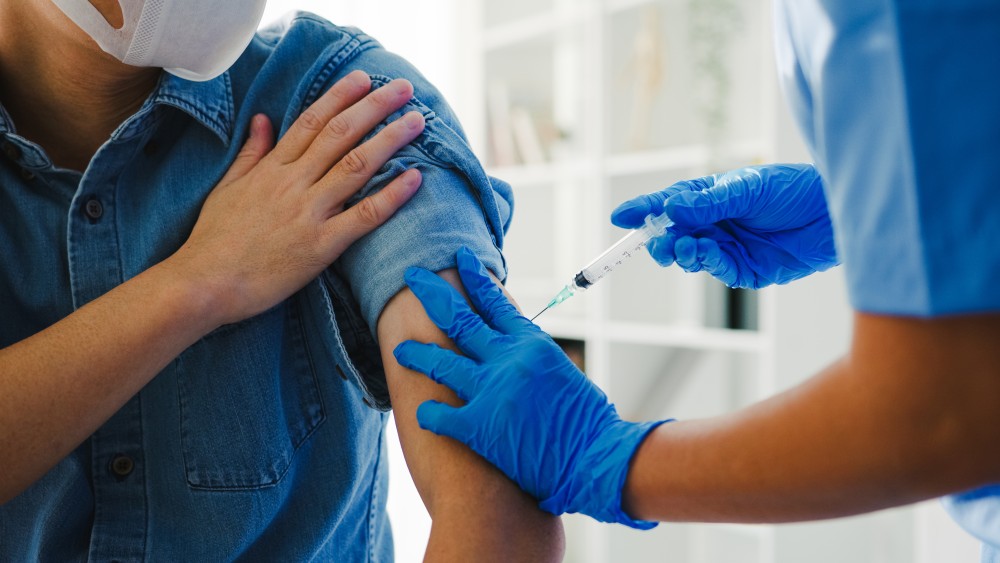
Vaccinations represent one of the most significant achievements in modern medicine, saving millions of lives annually by preventing serious diseases. This comprehensive guide explores how immunisation works, its importance for individuals and communities, and addresses common questions to help you make informed decisions about your family’s health.
Vaccinations have transformed public health over the past century, eradicating diseases like smallpox and dramatically reducing the incidence of polio, measles, and other life-threatening conditions. Understanding how vaccines work and their role in protecting both individual and community health is essential for making informed healthcare decisions.
Understanding Immunisation
Immunisation is the process by which a person becomes protected against a disease through vaccination. Vaccines contain weakened or inactive parts of a particular organism that triggers an immune response within the body. This response produces antibodies, which are proteins that recognize and fight specific pathogens. When exposed to the actual disease in the future, the immune system remembers how to combat it effectively.
How Vaccines Work
The human immune system is remarkably sophisticated. When a vaccine is administered, it introduces a harmless version of a pathogen into the body. This could be a killed or weakened form of the virus or bacteria, or just specific proteins from the pathogen. The immune system responds by producing antibodies and memory cells without causing the actual disease. These memory cells remain in the body for years, sometimes for life, providing long-term protection.
Types of Vaccines
Several types of vaccines exist, each designed using different approaches. Live attenuated vaccines contain weakened forms of the living pathogen. Inactivated vaccines use killed versions of the organism. Subunit, recombinant, and conjugate vaccines use specific pieces of the pathogen. Toxoid vaccines contain inactivated toxins produced by bacteria. More recently, mRNA vaccines have emerged, teaching cells how to make a protein that triggers an immune response.
The Importance of Childhood Immunisation
Children receive vaccines according to a carefully designed schedule that provides protection when they are most vulnerable. Newborns have some immunity passed from their mothers, but this fades during the first year of life. Vaccines are timed to provide protection before children are likely to be exposed to diseases and when their immune systems can respond effectively. Following the recommended schedule ensures optimal protection during critical developmental periods.
Community Protection Through Herd Immunity
Vaccination benefits extend beyond individual protection. When a significant portion of a community is immunised, it creates herd immunity, making disease spread difficult. This protects vulnerable individuals who cannot be vaccinated, such as newborns, pregnant women, or those with compromised immune systems. Maintaining high vaccination rates is crucial for protecting entire communities.
Common Vaccines and Their Benefits
Routine immunisation schedules typically include vaccines for measles, mumps, rubella, polio, diphtheria, tetanus, pertussis, hepatitis B, rotavirus, pneumococcal disease, and influenza. Each vaccine prevents diseases that can cause serious complications, hospitalisation, or death. For example, the measles vaccine has prevented an estimated 21 million deaths between 2000 and 2017 globally.
Safety and Side Effects
Vaccines undergo rigorous testing before approval and continuous monitoring afterward. Most side effects are mild and temporary, such as soreness at the injection site or low-grade fever. Serious side effects are extremely rare. The benefits of vaccination far outweigh the minimal risks, and healthcare providers carefully screen patients before administering vaccines to ensure safety.
Addressing Vaccine Hesitancy
Despite overwhelming scientific evidence supporting vaccine safety and efficacy, some parents express concerns. Common worries include fears about vaccine ingredients, the number of vaccines given, and misinformation about links to conditions like autism. Multiple large-scale studies have thoroughly debunked these myths. Healthcare providers play a crucial role in addressing concerns with accurate, evidence-based information.
Adult Immunisation
Vaccination isn’t just for children. Adults need vaccines too, including annual flu shots, tetanus boosters every ten years, and vaccines for shingles, pneumonia, and other conditions based on age, health status, and lifestyle factors. Pregnant women require specific vaccines to protect themselves and their babies. Staying current with adult vaccinations is an important aspect of preventive healthcare.
Travel Vaccinations
International travel may require additional vaccines depending on the destination. Diseases like yellow fever, typhoid, Japanese encephalitis, and others remain prevalent in certain regions. Consulting with a healthcare provider well before travel allows time for completing vaccine series and ensuring adequate protection.
The Future of Vaccination
Vaccine technology continues to advance. Research focuses on developing vaccines for diseases like HIV, malaria, and various cancers. The rapid development of COVID-19 vaccines demonstrated how modern technology and global cooperation can accelerate vaccine creation while maintaining safety standards. Future innovations promise even more effective and accessible immunisation options.
Making Informed Decisions
Choosing to vaccinate is one of the most important health decisions families make. Consulting with trusted healthcare providers, reviewing credible sources, and understanding both the risks of diseases and the benefits of prevention helps parents make informed choices. Vaccination records should be maintained carefully and reviewed regularly to ensure all family members remain up to date.
Vaccinations represent a cornerstone of preventive medicine, offering safe and effective protection against numerous serious diseases. By understanding how vaccines work and following recommended schedules, individuals contribute to their own health and the wellbeing of their communities.
Summary:
This article provides a comprehensive overview of vaccinations and immunisation, explaining how vaccines work to protect against diseases by training the immune system. It covers different vaccine types, the importance of childhood and adult immunisation schedules, and the concept of herd immunity. The article addresses vaccine safety, common concerns, and the role of vaccinations in both individual and community health. It emphasizes that vaccines are one of medicine’s greatest achievements, preventing millions of deaths annually while maintaining excellent safety records.
FAQs:
1. Are vaccines safe for my child?
Yes, vaccines are very safe. They undergo extensive testing before approval and continuous monitoring afterward. Serious side effects are extremely rare, while the diseases they prevent can cause severe complications or death. The benefits far outweigh the minimal risks.
2. Can vaccines cause autism?
No. Multiple large-scale scientific studies involving millions of children have found no link between vaccines and autism. This myth originated from a fraudulent study that has been completely discredited and retracted.
3. Why does my child need so many vaccines?
Each vaccine protects against a specific disease that can be serious or fatal. The schedule is carefully designed to provide protection when children are most vulnerable and their immune systems can respond effectively. Combination vaccines reduce the number of injections needed.
4. Is natural immunity better than vaccine-acquired immunity?
No. While natural infection can provide immunity, it comes with serious risks of complications, hospitalisation, or death. Vaccines provide protection without these dangers, making them a much safer choice for building immunity.
5. Do adults need vaccines too?
Yes. Adults need regular vaccines including annual flu shots, tetanus boosters every 10 years, and age-appropriate vaccines for shingles, pneumonia, and other conditions. Vaccination needs change based on age, health status, and lifestyle factors.