
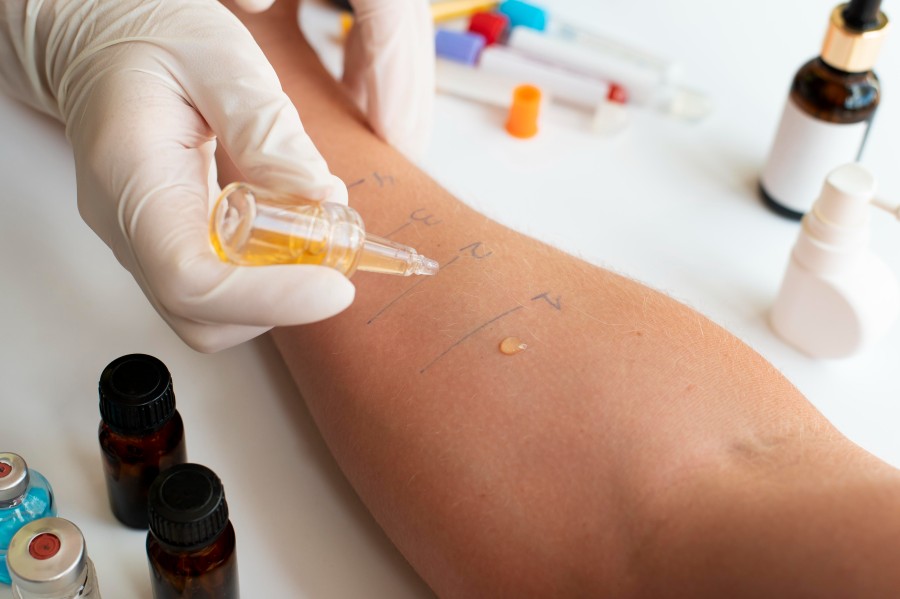
Skin allergies are among the most common health conditions affecting people of all ages. They occur when the immune system reacts to substances that are usually harmless, such as pollen, food, cosmetics, medications, dust, or certain fabrics. These reactions can cause itching, redness, swelling, rashes, and discomfort. Understanding proper skin allergy treatment is essential for managing symptoms and preventing future flare-ups.
What Is a Skin Allergy?
A skin allergy happens when the body’s immune system overreacts to an allergen. When exposed to the allergen, the body releases histamines and other chemicals that trigger allergic symptoms on the skin. Skin allergies may appear suddenly or develop gradually over time.
Common types of skin allergies include:
- Eczema (Atopic Dermatitis)
- Contact Dermatitis
- Hives (Urticaria)
- Angioedema
- Allergic reactions to medications
- Food-related skin allergies
These conditions can range from mild irritation to severe allergic reactions requiring immediate medical attention.
Common Causes of Skin Allergies
Identifying the cause of the allergy is the first step toward effective skin allergy treatment. Several factors can trigger allergic skin reactions, including:
1. Food Allergies
Certain foods such as peanuts, shellfish, eggs, milk, and wheat may trigger allergic skin reactions in sensitive individuals.
2. Environmental Allergens
Dust mites, pollen, mold, and pet dander are common environmental triggers that can affect the skin.
3. Cosmetic Products
Perfumes, lotions, soaps, hair dyes, and makeup products may contain chemicals that irritate sensitive skin.
4. Medications
Some antibiotics, pain relievers, and other medications may lead to allergic skin reactions.
5. Fabrics and Metals
Nickel jewelry, synthetic fabrics, and harsh detergents can cause contact dermatitis.
6. Insect Bites and Stings
Mosquitoes, bees, and ants can trigger itching, redness, and swelling.
Symptoms of Skin Allergies
Skin allergy symptoms vary depending on the cause and severity of the reaction. Common symptoms include:
- Redness and inflammation
- Itchy skin
- Dry or flaky patches
- Swelling
- Hives or raised bumps
- Burning sensation
- Blisters or peeling skin
- Cracked skin
In severe cases, skin allergies may be accompanied by breathing difficulty or swelling of the face and throat, which requires emergency medical care.
Best Skin Allergy Treatment Options
There are several effective methods for managing and relieving allergic skin conditions. The right skin allergy treatment depends on the severity and underlying cause of the allergy.
1. Antihistamines
Antihistamines help reduce itching, redness, and swelling caused by allergic reactions. They block histamine release and provide quick symptom relief.
Common antihistamines include:
- Cetirizine
- Loratadine
- Diphenhydramine
These medications are widely used for mild to moderate skin allergies.
2. Topical Corticosteroid Creams
Steroid creams reduce inflammation and irritation. Doctors often prescribe them for eczema, dermatitis, and allergic rashes.
These creams should be used carefully and only as directed to avoid skin thinning and other side effects.
3. Moisturizers and Skin Hydration
Keeping the skin moisturized is important for preventing dryness and irritation. Fragrance-free moisturizers are ideal for sensitive skin.
Apply moisturizer after bathing to lock in moisture and strengthen the skin barrier.
4. Avoiding Allergens
The most effective long-term skin allergy treatment is avoiding the allergen causing the reaction. Allergy testing may help identify specific triggers.
Helpful prevention tips include:
- Use hypoallergenic skincare products
- Avoid harsh soaps and detergents
- Wear loose cotton clothing
- Keep your home dust-free
- Avoid known food allergens
5. Cold Compress Therapy
Applying a cold compress to affected areas can reduce itching, redness, and swelling naturally.
This simple home remedy provides temporary relief and helps calm irritated skin.
6. Immunotherapy
For severe allergies, doctors may recommend allergy shots or immunotherapy. This treatment gradually reduces the body’s sensitivity to allergens over time.
Natural Remedies for Skin Allergy Relief
Many people also seek natural approaches to complement medical skin allergy treatment.
1. Aloe Vera
Aloe vera has soothing and anti-inflammatory properties that may calm irritated skin.
2. Oatmeal Baths
Colloidal oatmeal baths help relieve itching and inflammation associated with eczema and allergic reactions.
3. Coconut Oil
Coconut oil moisturizes dry skin and supports the skin barrier.
4. Honey
Natural honey may help reduce bacterial growth and irritation in minor skin allergies.
Although natural remedies can help, severe allergies should always be evaluated by a healthcare professional.
When to See a Doctor
You should seek medical attention if:
- Symptoms worsen or spread rapidly
- The rash lasts more than a few days
- You experience severe swelling
- Breathing becomes difficult
- Over-the-counter treatments do not help
- Skin becomes infected
A healthcare provider can diagnose the condition and recommend the best skin allergy treatment plan for your needs.
Tips to Prevent Future Skin Allergies
Preventing allergies is often easier than treating them repeatedly. Here are some useful prevention strategies:
1. Maintain Good Skin Hygiene
Wash your skin gently using mild cleansers and avoid excessive scrubbing.
2. Patch-Test New Products
Always test new cosmetics or skincare products on a small area before full use.
3. Stay Hydrated
Drinking enough water helps maintain healthy skin and reduce dryness.
4. Use Sunscreen
Sun exposure may worsen certain allergic skin conditions.
5. Manage Stress
Stress can trigger or worsen eczema and other skin allergies.
Importance of Early Skin Allergy Treatment
Ignoring allergy symptoms can lead to chronic skin conditions, infections, or worsening irritation. Early diagnosis and timely skin allergy treatment can improve comfort, protect skin health, and enhance quality of life.
Whether the allergy is mild or severe, proper care and prevention can make a significant difference in managing symptoms effectively.
Frequently Asked Questions (FAQs)
1. What is the fastest way to treat a skin allergy?
Antihistamines, cold compresses, and topical steroid creams are commonly used for quick symptom relief.
2. Can skin allergies go away permanently?
Some allergies improve over time, while others require long-term management and allergen avoidance.
3. Which cream is best for skin allergies?
Hydrocortisone creams and fragrance-free moisturizers are often recommended, but severe cases may need prescription medication.
4. Are skin allergies contagious?
No, skin allergies are not contagious because they are caused by immune system reactions.
5. Can stress cause skin allergies?
Stress can worsen existing skin conditions like eczema and hives.
If you are struggling with itching, rashes, or recurring skin irritation, visit our clinic https://scclittleelm.com/our-services/allergy/ today for professional skin allergy treatment and personalized care. Our experienced medical team is here to help you achieve healthier, allergy-free skin. Contact us at (469) 200-5974 now to schedule your appointment and get expert guidance for long-lasting relief.