
Introduction
Living with chronic or acute pain can significantly affect your quality of life. Whether the pain is caused by arthritis, sports injuries, back problems, or muscle strain, finding a safe and effective treatment is essential. One innovative treatment that has gained popularity in recent years is laser pain therapy. This advanced, non-invasive treatment helps reduce pain, decrease inflammation, and promote faster healing without the need for surgery or medication.
Laser pain therapy has become a preferred option for many patients seeking long-term relief from painful conditions while avoiding the side effects associated with traditional pain management methods.
What Is Laser Pain Therapy?
Laser pain therapy, also known as low-level laser therapy (LLLT) or cold laser therapy, uses specific wavelengths of light to penetrate deep into tissues and stimulate cellular repair. The treatment delivers light energy directly to damaged tissues, encouraging natural healing processes within the body.
Unlike surgical lasers that cut or burn tissue, laser pain therapy is painless and non-invasive. The treatment works by increasing blood circulation, reducing inflammation, and enhancing cellular regeneration.
How Does Laser Pain Therapy Work?
The science behind laser pain therapy involves a process called photobiomodulation. During treatment, light energy is absorbed by cells, particularly within the mitochondria, which are responsible for producing cellular energy.
This increased cellular activity helps:
- Improve blood flow to injured areas
- Reduce inflammation and swelling
- Accelerate tissue repair
- Promote nerve regeneration
- Decrease pain signals sent to the brain
As a result, patients often experience improved mobility and reduced discomfort after several treatment sessions.
Conditions Treated with Laser Pain Therapy
Laser pain therapy is commonly used to treat a wide range of musculoskeletal and neurological conditions, including:
1. Back and Neck Pain
Many individuals suffer from chronic back and neck pain due to poor posture, injuries, or degenerative conditions. Laser pain therapy can help reduce muscle tension, inflammation, and stiffness while promoting healing.
2. Arthritis
Patients with osteoarthritis and rheumatoid arthritis often benefit from laser therapy because it helps decrease joint inflammation and improve mobility.
3. Sports Injuries
Athletes frequently use laser pain therapy to recover from injuries such as:
- Sprains
- Strains
- Tendonitis
- Ligament injuries
- Muscle tears
The therapy supports faster recovery and helps athletes return to activity sooner.
4. Sciatica and Nerve Pain
Laser treatment may reduce nerve irritation and inflammation associated with sciatica, neuropathy, and other nerve-related conditions.
5. Joint Pain
Pain affecting the knees, shoulders, elbows, wrists, and ankles can often be managed effectively through laser pain therapy.
Benefits of Laser Pain Therapy
One reason laser pain therapy has become increasingly popular is its numerous advantages over traditional treatment options.
1. Non-Invasive Treatment
Unlike surgery, laser therapy requires no incisions, injections, or lengthy recovery periods.
2. Drug-Free Pain Relief
Many patients seek alternatives to pain medications. Laser pain therapy offers a natural approach to pain management without the risks associated with long-term medication use.
3. Reduced Inflammation
Inflammation is a major contributor to pain. Laser therapy targets inflamed tissues and helps reduce swelling naturally.
4. Faster Healing
The treatment stimulates cellular repair, allowing damaged tissues to heal more efficiently.
5. Improved Mobility
As pain and inflammation decrease, patients often experience greater flexibility, range of motion, and overall function.
6. Safe and Comfortable
Most patients find laser pain therapy relaxing and comfortable. Treatments are generally painless and involve minimal risk when performed by trained professionals.
What to Expect During Treatment
A typical laser pain therapy session is straightforward and convenient.
During the appointment:
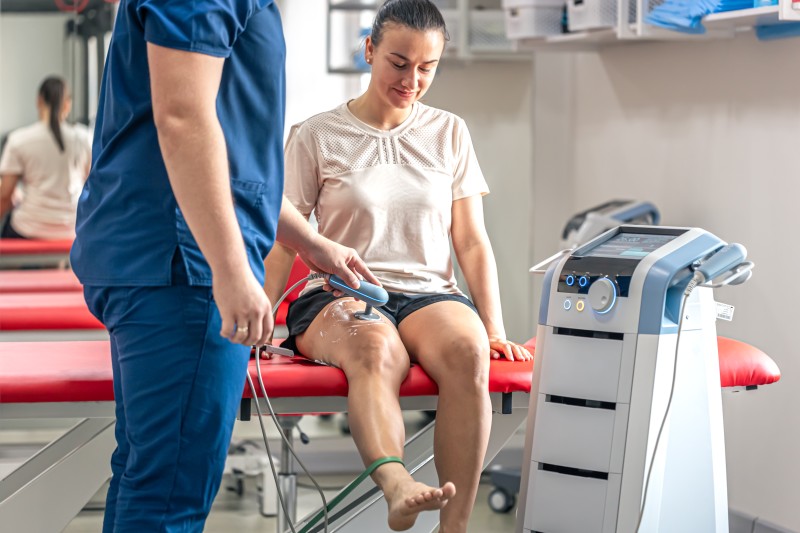
- The healthcare provider identifies the affected area.
- A specialized laser device is applied to the skin.
- Light energy penetrates the tissues without causing discomfort.
- Treatment sessions typically last between 5 and 20 minutes, depending on the condition being treated.
Most patients require multiple sessions to achieve optimal results. The exact number of treatments depends on the severity and duration of the condition.
Who Is a Good Candidate for Laser Pain Therapy?
Laser pain therapy may be suitable for individuals experiencing:
- Chronic pain
- Acute injuries
- Arthritis
- Joint pain
- Muscle soreness
- Tendon and ligament injuries
- Neuropathic pain
Patients seeking a non-surgical and drug-free treatment option often find laser therapy to be an excellent choice.
However, it is important to consult with a qualified healthcare provider to determine whether laser pain therapy is appropriate for your specific condition.
Are There Any Side Effects?
Laser pain therapy is generally considered safe and well-tolerated. Side effects are rare and typically mild. Some patients may experience temporary soreness or slight fatigue after treatment as the body responds to the healing process.
Since the procedure is non-invasive, there is no downtime, and most individuals can return to normal activities immediately after treatment.
Combining Laser Pain Therapy with Other Treatments
For enhanced results, healthcare providers often combine laser pain therapy with other treatments such as:
- Physical therapy
- Chiropractic care
- Rehabilitation exercises
- Stretching programs
- Lifestyle modifications
A comprehensive treatment approach can help patients achieve better long-term outcomes and maintain an active lifestyle.
Conclusion
Laser pain therapy represents a significant advancement in modern pain management. By utilizing targeted light energy, this innovative treatment helps reduce inflammation, promote tissue healing, and relieve pain without surgery or medication. Whether you are struggling with chronic back pain, arthritis, sports injuries, or nerve-related discomfort, laser pain therapy may provide the relief you need.
As more healthcare providers adopt this cutting-edge treatment, patients continue to discover the benefits of a safe, effective, and non-invasive solution for pain relief. Consulting with a qualified medical professional can help determine whether laser pain therapy is the right choice for your individual needs.
Frequently Asked Questions (FAQs)
1. What is laser pain therapy?
Laser pain therapy is a non-invasive treatment that uses light energy to reduce pain, inflammation, and promote healing in damaged tissues.
2. Is laser pain therapy painful?
No. Most patients feel little to no discomfort during treatment and often describe the procedure as relaxing.
3. How many sessions of laser pain therapy are needed?
The number of sessions varies depending on the condition, severity of pain, and individual response to treatment. Many patients benefit from multiple sessions.
4. Can laser pain therapy help arthritis?
Yes. Laser pain therapy is commonly used to reduce inflammation and improve joint mobility in arthritis patients.
5. Is laser pain therapy safe?
Yes. When performed by trained healthcare professionals, laser pain therapy is considered safe with minimal side effects.
6. Does laser pain therapy provide permanent relief?
Results vary by patient and condition. Some individuals experience long-lasting relief, while others may require maintenance treatments.
Visit us https://scclittleelm.com/our-services/laser-pain-treatment/ today to learn how advanced laser pain therapy can help you regain comfort, mobility, and a better quality of life.
Contact us at (469) 200-5974 now to schedule your consultation and discover personalized pain management solutions tailored to your needs.