
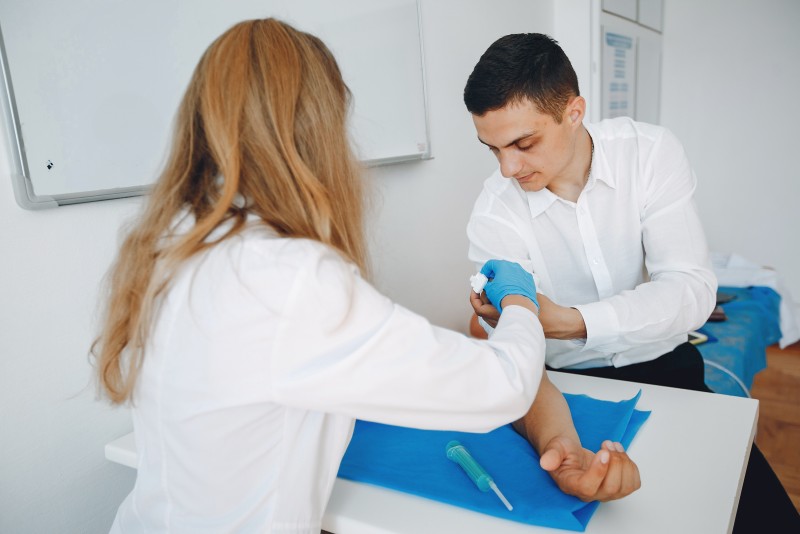
A routine physical exam can provide an opportunity to step back from day-to-day health concerns and look at your overall well-being. Even when you feel healthy, regular checkups can help healthcare providers monitor important health measurements and identify concerns that may need further attention.
When searching for a physical exam near me, patients are often looking for a convenient clinic where they can complete a routine health evaluation without unnecessary delays. A physical exam may include a review of your medical history, vital signs, general health assessment, and conversations about symptoms, lifestyle, medications, and preventive care.
The exact components of an examination can vary based on age, health history, risk factors, and the reason for the visit. Some people may simply need a routine wellness check, while others may require additional testing or follow-up based on their individual circumstances.
What Is a Yearly Physical Exam?
A yearly physical exam is a routine healthcare visit focused on reviewing your overall health and identifying areas that may require attention.
During the appointment, a healthcare provider may review your medical history, medications, allergies, lifestyle habits, and current health concerns. Basic measurements and a physical assessment may also be performed.
Depending on your circumstances, your provider may discuss:
- Blood pressure and heart rate
- Weight and body measurements
- Medical and family history
- Current medications
- Allergies
- Lifestyle habits
- Vaccination status
- Recommended health screenings
- Existing medical conditions
- New or ongoing symptoms
Not every patient needs the same tests or screenings. Your provider can determine which services are appropriate based on your individual health needs.
Why Are Regular Physical Exams Important?
Regular physical examinations can support preventive healthcare by giving patients and providers an opportunity to review health before problems become more difficult to manage.
Monitoring Changes in Your Health
Health measurements can change over time. Tracking factors such as blood pressure, weight, and other relevant health indicators can help providers recognize changes that may require further evaluation.
Identifying Potential Concerns
Some health conditions may develop without noticeable symptoms. Routine appointments can provide opportunities to discuss risk factors and determine whether additional screening or testing is appropriate.
Reviewing Preventive Care
A physical exam can also be used to review whether you are current with recommended vaccinations, screenings, and other preventive services.
Discussing Lifestyle Habits
Nutrition, physical activity, sleep, stress, tobacco use, and other lifestyle factors can influence overall health. A routine visit provides an opportunity to discuss these areas with a healthcare professional.
What Happens During a Physical Exam Near Me?
The exact process depends on the clinic and the type of examination you need, but many routine physicals follow a similar structure.
1. Medical History Review
Your provider may begin by asking about your current health, previous medical conditions, surgeries, allergies, medications, and family medical history.
You may also be asked about changes in your health since your previous appointment.
2. Vital Sign Measurements
Common measurements may include:
- Blood pressure
- Heart rate
- Temperature
- Respiratory rate
- Height and weight
These measurements provide basic information about your current health status.
3. Physical Assessment
A physical assessment may involve examining different areas of the body based on your age, symptoms, health history, and the purpose of the appointment.
Your provider may listen to your heart and lungs, examine your ears, nose, throat, abdomen, or other areas when appropriate.
4. Health Discussion
The appointment can also include a conversation about your overall health. This may be an opportunity to discuss concerns such as fatigue, headaches, sleep difficulties, changes in weight, digestive issues, pain, or other symptoms.
5. Recommendations and Follow-Up
After the evaluation, your provider may recommend preventive services, lifestyle changes, laboratory testing, imaging, specialist evaluation, or follow-up appointments when appropriate.
What Should You Bring to a Yearly Physical Exam?
Preparing a few items before your appointment can make the visit more productive.
Medication List
Bring a current list of prescription medications, over-the-counter medications, vitamins, and supplements. This helps your provider understand what you are currently taking and identify potential medication-related concerns.
Medical Records
If you are visiting a new healthcare provider, relevant medical records or previous test results can provide useful background information.
Vaccination Information
If available, bring your vaccination records or information about recent immunizations. This can help your provider determine whether additional vaccinations may be appropriate.
Questions and Concerns
Write down questions you want to discuss before the appointment. This can be particularly helpful if you have several concerns or symptoms you want to address.
Who Should Get a Yearly Physical Exam?
The need for routine physical examinations varies from person to person. Adults may benefit from regular preventive healthcare based on their age, medical history, risk factors, and healthcare needs. People with chronic conditions may require more frequent appointments or monitoring.
A yearly visit may also be useful for people who want to review their overall health, discuss preventive care, or address changes that have occurred since their last checkup. Your healthcare provider can help determine an appropriate schedule based on your individual circumstances.
Preventive Screenings During a Physical Exam
A physical exam does not necessarily include every available health screening. Instead, screening recommendations are generally based on factors such as age, sex, family history, personal health history, and risk factors.
Blood Pressure Screening
Blood pressure is commonly checked during routine healthcare visits. Regular monitoring can help identify elevated readings that may require additional evaluation.
Cholesterol Testing
Cholesterol testing may be recommended for certain patients based on age, health history, cardiovascular risk factors, and previous results.
Diabetes Screening
Some patients may be advised to undergo blood glucose or other diabetes-related testing based on risk factors and medical history.
Cancer Screenings
Different cancer screenings are recommended at different ages and may depend on personal and family history. Your healthcare provider can discuss which screenings may be appropriate for you.
Vaccination Review
Vaccination needs can change throughout adulthood. A physical exam can provide an opportunity to review immunization history and discuss recommended vaccines.
Physical Exams for Different Healthcare Needs
Not every physical examination serves the same purpose. Some are designed for general wellness, while others are required for specific activities or occupations.
Employment Physicals
Some employers may require physical examinations to assess whether employees can safely perform certain job duties. The requirements depend on the employer and position.
Sports Physicals
Sports-related physical examinations may evaluate health factors relevant to participation in athletic activities. Children and adults participating in sports may have different requirements depending on the activity and organization.
DOT Physical Exams
Commercial drivers may need a Department of Transportation medical examination that follows specific requirements.
A DOT physical is different from a standard wellness exam because it focuses on medical requirements related to commercial driving.
School Physicals
Children may need physical examinations for school enrollment or participation in certain school activities. Requirements can vary depending on the school, program, and location.
When Should You Look for a Physical Exam Near Me?
Searching for a physical exam near me can be useful when you need convenient access to routine preventive healthcare.
Consider scheduling an appointment if:
- It has been a long time since your last physical
- You need an annual wellness examination
- You need an employment physical
- You need a sports physical
- You need a DOT physical
- You need certain health screenings
- You want to review your vaccination status
- You have new health concerns
- You need ongoing monitoring for a health condition
If you are experiencing severe or emergency symptoms, seek appropriate urgent or emergency medical care rather than waiting for a routine physical examination.
How to Make the Most of Your Physical Exam
A routine physical is not only about measurements and examinations. It is also an opportunity to communicate openly with your healthcare provider.
Be Honest About Your Health Habits
Information about diet, exercise, tobacco use, alcohol use, sleep, and other lifestyle habits can help your provider better understand your overall health.
Mention New Symptoms
Even symptoms that seem minor may be worth mentioning, especially if they are persistent, recurring, or changing.
Ask About Preventive Care
Ask which screenings, vaccinations, or preventive services may be appropriate based on your age and health history.
Discuss Family History
Certain health conditions can run in families. Informing your provider about significant family medical history may help guide preventive care discussions.
Follow Up When Recommended
If your provider recommends additional testing, monitoring, or another appointment, following through can help ensure that potential concerns are evaluated appropriately.
FAQs
1. What is included in a yearly physical exam?
A yearly physical exam commonly includes a review of your medical history, medications, allergies, vital signs, general physical assessment, and discussion of current health concerns. Additional screenings or tests may be recommended depending on your age, medical history, and risk factors.
2. Do I need a physical exam if I feel healthy?
Feeling healthy does not necessarily mean that every aspect of your health is within a normal range. Routine preventive visits provide an opportunity to review health measurements, discuss risk factors, and determine whether recommended screenings or preventive services are appropriate.
3. How often should I get a physical exam?
The appropriate frequency depends on your age, health history, existing medical conditions, and individual risk factors. Some people may have an annual preventive visit, while others may need appointments more or less frequently based on their healthcare needs.
4. Should I avoid eating before a physical exam?
It depends on what your appointment includes. A standard physical exam does not always require fasting, but certain laboratory tests may require you to avoid eating beforehand. Ask the clinic whether fasting is necessary before your appointment.
5. Can a physical exam detect health problems?
A physical exam can help identify certain signs or risk factors that may require additional evaluation. However, a routine physical cannot detect every health condition. Your provider may recommend laboratory tests, imaging, screenings, or specialist evaluation when appropriate.
Conclusion
A yearly physical exam can provide a useful opportunity to review your overall health, monitor important health measurements, and stay current with preventive care. Even when you do not have noticeable symptoms, routine healthcare can help identify areas that may require attention.
When looking for a physical exam near me, consider a clinic that can address your specific healthcare needs and provide appropriate follow-up when necessary. Preparing your medical information and questions ahead of time can also help you have a more productive appointment.
Visit Us
Visit our https://scclittleelm.com/our-services/physicals/ clinic today for comprehensive physical exam near me services designed to help you complete your routine health evaluation with confidence. Our healthcare team can review your health information, perform the appropriate examination, and help you understand the next steps based on your individual situation.
You can also stay proactive about your overall health with a yearly physical exam, preventive healthcare, and routine medical care. Contact (469) 200-5974 to schedule your appointment and speak with our healthcare team about your physical exam and general health needs.