
Your feet support your body through almost every part of the day. Walking, standing, exercising, working, and even simple household activities place repeated demands on the bones, joints, muscles, tendons, and soft tissues of the feet.
Because the feet are constantly in use, foot pain can have a noticeable effect on daily life. A person may experience discomfort after a long day on their feet, following an injury, during exercise, or because of an underlying condition that develops gradually.
The location and type of pain can provide useful clues about what may be causing it. Pain in the heel may have different causes than pain in the toes, arch, or top of the foot. Some problems improve with conservative care, while persistent or severe symptoms may require professional evaluation.
What Causes Foot Pain?
Foot pain can develop for many reasons. Some causes are related to injuries, while others involve overuse, inflammation, nerve irritation, or changes in the structure of the foot.
Common causes include:
- Sprains and strains
- Plantar fasciitis
- Tendon irritation
- Arthritis
- Stress injuries
- Bunions
- Corns and calluses
- Nerve irritation
- Poorly fitting footwear
- Overuse
- Sports injuries
The location, duration, and severity of the pain can help a healthcare provider determine which conditions may need to be considered.
Common Types of Foot Pain
Different areas of the foot can be affected by different problems.
Heel Pain
Heel pain may occur because of repetitive stress, inflammation, injury, or irritation of tissues around the heel. Plantar fasciitis is one common cause of heel pain and may cause discomfort that is particularly noticeable with the first steps after resting.
Arch Pain
Pain in the arch may be associated with overuse, changes in foot mechanics, inadequate support, or irritation of soft tissues.
People who spend many hours standing or walking may notice arch discomfort after prolonged activity.
Ball-of-the-Foot Pain
Pain in the ball of the foot can develop from repetitive pressure, footwear, increased activity, or certain structural issues. The discomfort may become more noticeable while walking, running, or standing.
Toe Pain
Toe pain can result from injuries, footwear, joint problems, bunions, ingrown toenails, or other conditions. Persistent toe pain should be evaluated if it interferes with normal activities.
Top-of-the-Foot Pain
Pain on the top of the foot may develop after an injury, repetitive activity, footwear pressure, or irritation involving tendons or other structures.
Symptoms That May Occur With Foot Pain
Pain is not always the only symptom.
Depending on the cause, you may also experience:
- Swelling
- Tenderness
- Bruising
- Stiffness
- Burning or tingling
- Numbness
- Redness
- Reduced range of motion
- Difficulty walking
- Pain after prolonged standing
- Increased discomfort during exercise
The combination of symptoms can provide important information during a medical evaluation.
When Should Foot Pain Be Evaluated?
Mild discomfort after unusual physical activity may improve with rest and activity modification. However, persistent or severe symptoms may require professional evaluation.
Consider seeking medical care if:
- Pain persists or continues to worsen
- You cannot comfortably walk
- Significant swelling develops
- You experience numbness or tingling
- There is visible deformity
- Pain follows a significant injury
- You have repeated foot injuries
- Symptoms interfere with work, exercise, or daily activities
- Home care does not improve your symptoms
Sudden severe pain, major trauma, inability to bear weight, or signs of a serious injury may require prompt medical attention.
How Is Foot Pain Diagnosed?
Finding the underlying cause is an important part of choosing appropriate treatment.
Medical History
Your healthcare provider may ask when the pain started, whether it developed suddenly or gradually, and what activities make it better or worse.
You may also be asked about previous injuries, medical conditions, footwear, exercise habits, and your daily activities.
Physical Examination
The provider may examine the foot for tenderness, swelling, range of motion, strength, alignment, and areas of sensitivity. The ankle and lower leg may also be evaluated when relevant.
Imaging and Testing
Depending on the symptoms and examination, additional testing may be considered. An X-ray can help evaluate certain bone-related problems, while other imaging methods may be appropriate for specific soft tissue concerns.
Not every case of foot pain requires imaging, so testing is generally based on the patient’s individual circumstances.
Treatment Options for Foot Pain
Treatment depends on the cause, severity, duration, and overall health of the patient.
Activity Modification
Reducing activities that aggravate the pain can help prevent additional irritation. This does not necessarily mean complete inactivity. As symptoms improve, activity can often be increased gradually.
Supportive Footwear
Shoes that fit properly and provide appropriate support may help reduce unnecessary stress on the feet. In some cases, a healthcare provider may recommend additional support based on the patient’s foot structure and symptoms.
Physical Rehabilitation
Stretching, strengthening, mobility exercises, and balance activities may be used to improve foot and lower-leg function. A rehabilitation program should be appropriate for the specific condition and stage of recovery.
Medication
Certain over-the-counter or prescription medications may be recommended to help manage pain or inflammation.
Medication choices should take into account a person’s other health conditions and current medications.
Injections
For certain pain conditions, a healthcare provider may consider an injection as part of treatment. Whether an injection is appropriate depends on the underlying diagnosis and individual circumstances.
Laser Treatment for Foot Pain
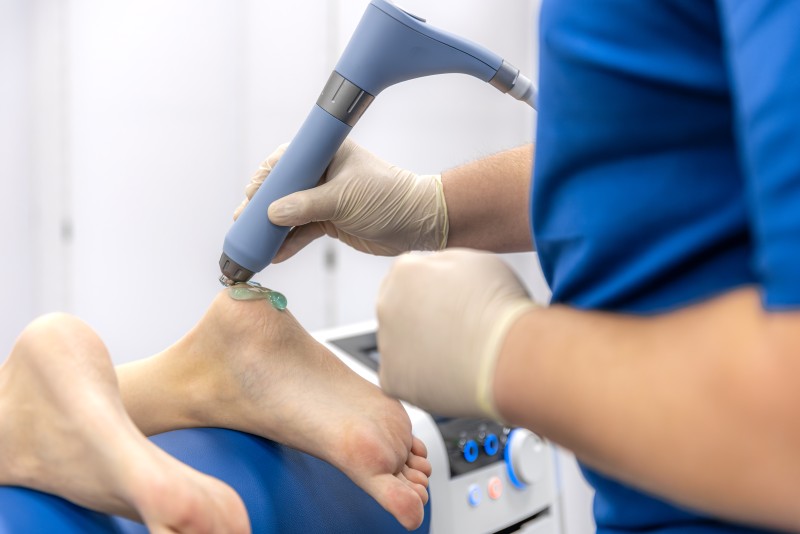
Laser-based pain treatment may be considered for certain musculoskeletal pain conditions. Laser therapy uses focused light energy directed toward targeted tissues. Depending on the type of laser and treatment protocol, it may be used as part of a broader approach to managing pain and supporting tissue recovery.
How Laser Treatment May Be Used
A healthcare provider may consider laser treatment when a patient has a condition that may respond to this type of therapy.
It may be incorporated alongside other approaches rather than used as the only form of treatment.
What Happens During Treatment?
During a laser therapy session, a healthcare professional directs the treatment device toward the targeted area. The length and number of sessions can vary depending on the condition, treatment plan, and response to therapy.
Is Laser Treatment Appropriate for Everyone?
Not necessarily. The appropriate treatment depends on the cause of the foot pain and the patient’s overall health.
A healthcare provider can evaluate the condition and determine whether laser therapy is an appropriate option.
Managing Foot Pain at Home
For mild foot discomfort, several general strategies may help while you monitor your symptoms.
Rest From Painful Activities
Temporarily reducing activities that increase discomfort can help limit additional stress. If running or jumping increases your pain, consider lower-impact activities while you recover.
Elevate the Foot
If swelling is present, elevating the foot while resting may help manage discomfort and swelling.
Use Cold Therapy When Appropriate
A cold pack may help reduce discomfort after certain injuries or periods of increased activity. Use a protective barrier between the cold source and your skin.
Pay Attention to Footwear
Avoid shoes that are too tight, uncomfortable, or poorly suited to your activity. Shoes should provide enough room for the toes and appropriate support for the activity being performed.
Foot Pain and Physical Activity
Exercise can support overall health, but repetitive or high-impact activities can sometimes aggravate existing foot problems.
If pain develops during exercise, consider reducing the intensity or changing the activity temporarily. For example, someone experiencing pain while running may be able to use lower-impact activities while recovering.
As symptoms improve, gradually return to more demanding activities rather than immediately returning to your previous exercise level.
How to Prevent Future Foot Pain
Prevention depends on the cause, but several habits may help reduce unnecessary stress on the feet.
Wear Appropriate Shoes
Choose footwear that fits properly and is appropriate for your activity. Replace worn-out athletic shoes when they no longer provide adequate support.
Increase Activity Gradually
Suddenly increasing running distance, workout intensity, or standing time can place additional stress on the feet. Gradual progression gives your body time to adapt.
Maintain Lower-Leg Strength
Strengthening the muscles of the feet, ankles, and lower legs can support stability and movement.
Stretch Regularly
Gentle stretching can help maintain flexibility in the calves, ankles, and feet.
Address Pain Early
Ignoring persistent discomfort can sometimes allow an underlying problem to continue.If pain does not improve with reasonable self-care, consider having it evaluated.
Foot Pain in People With Diabetes
People with diabetes need to pay particular attention to changes in their feet. Diabetes can affect circulation and nerve function, which may make certain foot problems more difficult to notice or heal.
People with diabetes should regularly inspect their feet for changes such as cuts, blisters, swelling, redness, or skin breakdown.
Any concerning foot wound or infection should be evaluated promptly by an appropriate healthcare professional.
Foot Pain After an Injury
Foot pain following an accident, fall, sports activity, or other injury may involve soft tissue, tendons, ligaments, or bones. Initial symptoms may include pain, swelling, bruising, and difficulty walking.
If pain is severe, swelling is substantial, the foot appears deformed, or you cannot bear weight, professional evaluation may be necessary to determine whether there is a fracture or another significant injury.
FAQs
1. What are the most common causes of foot pain?
Common causes include plantar fasciitis, sprains, strains, tendon irritation, arthritis, overuse, poorly fitting footwear, bunions, nerve irritation, and sports-related injuries. The cause depends on the location and characteristics of the pain.
2. When should I see a doctor for foot pain?
Consider medical evaluation when pain is persistent, worsening, severe, associated with significant swelling or deformity, or interfering with walking and everyday activities. Numbness, tingling, or pain after a significant injury may also warrant evaluation.
3. Can foot pain go away on its own?
Some mild cases of foot pain may improve with rest, activity modification, supportive footwear, and other conservative measures. Persistent symptoms may require evaluation to determine whether an underlying condition needs treatment.
4. What is laser treatment for foot pain?
Laser treatment uses focused light energy directed toward targeted tissues and may be used as part of pain management for certain conditions. Whether it is appropriate depends on the underlying cause of the pain and the patient’s individual circumstances.
5. How long does foot pain treatment take?
Recovery varies considerably depending on the cause and severity of the problem. Some minor injuries improve relatively quickly, while chronic conditions may require a longer treatment and rehabilitation plan.
Conclusion
Foot pain can develop from many different causes, ranging from overuse and footwear problems to injuries, inflammation, arthritis, and nerve-related conditions. Because different problems can produce similar symptoms, understanding the location and pattern of the pain is an important part of determining appropriate care.
Treatment may include activity modification, supportive footwear, rehabilitation exercises, medications, injections, or other pain management approaches. For certain conditions, laser treatment for foot pain may also be considered as part of an individualized treatment plan.
Visit Us
Visit our https://scclittleelm.com/our-services/laser-pain-treatment/ clinic today for comprehensive foot pain evaluation and treatment designed to help you address discomfort and maintain your mobility with confidence. Our healthcare team can review your symptoms, perform the appropriate examination, and help you understand the next steps based on your individual situation.
You can also stay proactive about your overall health with pain management, injury care, and appropriate treatment options such as laser therapy when medically suitable. Contact (469) 200-5974 to schedule your appointment and speak with our healthcare team about your foot pain and general health needs.