
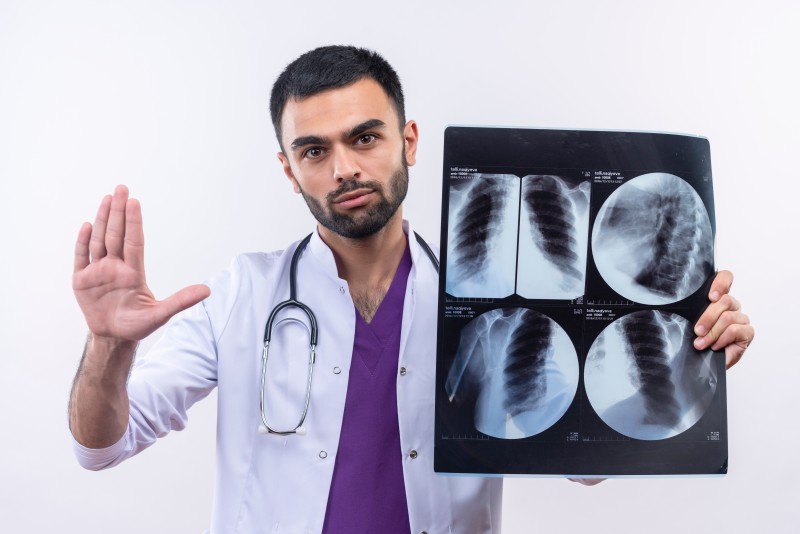
A car accident can cause injuries that are not always immediately noticeable. While cuts, bruises, and other visible injuries may be easier to identify, damage to the ribs can sometimes go unnoticed until pain or discomfort develops. A sudden impact, seat belt pressure, or forceful contact with the steering wheel can injure the chest and may result in a rib fracture.
A rib fracture is a crack or break in one of the bones that protect the chest. After an auto injury, it can cause pain when breathing, coughing, twisting, or moving. Some fractures heal with time and appropriate care, but others can be associated with complications that require urgent medical attention.
How Can an Auto Injury Cause a Rib Fracture?
During a car accident, the body may experience sudden force as the vehicle stops, changes direction, or collides with another object. The chest can strike the steering wheel, dashboard, door, or seat belt. This force may bruise the ribs or cause one or more of them to fracture.
Common accident-related situations that may lead to rib injuries include:
- Seat belt pressure: A seat belt helps protect occupants during a collision, but the force it applies to the chest can sometimes cause bruising or fractures.
- Steering wheel impact: A driver who strikes the steering wheel during a crash may experience direct trauma to the chest.
- Side-impact collisions: A collision involving the side of a vehicle can expose the chest and ribs to significant force.
- Airbag deployment: Although airbags reduce the risk of serious injuries, deployment can sometimes cause chest soreness or bruising.
- Sudden body movement: Rapid deceleration can cause the body to move forcefully against the vehicle’s interior.
Not every chest injury after a collision involves a fracture. A medical examination can help distinguish between bruising, muscle strain, and possible bone damage.
Common Symptoms of a Rib Fracture After a Car Accident
Rib fracture symptoms can vary depending on the location and severity of the injury. Some people notice pain immediately after the accident, while others experience increasing discomfort over the following hours.
1. Chest Pain and Tenderness
Pain is one of the most common symptoms of a rib fracture. It may be concentrated in one area of the chest and become more noticeable when pressing on the affected spot. The discomfort may worsen when bending, twisting, reaching, or changing positions. Some people find it difficult to lie comfortably on the injured side.
2. Pain When Breathing
A fractured rib can make deep breathing uncomfortable because the ribs move as the chest expands and contracts. A person may notice sharp pain when taking a deep breath, laughing, or coughing.
Although it may be tempting to take shallow breaths to avoid discomfort, breathing normally is important. Severe difficulty breathing requires immediate medical attention.
3. Swelling and Bruising
A rib injury may cause swelling or bruising around the chest. These symptoms can develop after the accident and may become more noticeable over time.
However, the absence of visible bruising does not rule out a fracture. Some rib injuries cause pain without obvious changes to the skin.
4. Pain When Coughing or Sneezing
Coughing and sneezing involve movement of the chest muscles and rib cage. These actions may cause sharp discomfort when a rib is fractured.
If pain makes it difficult to cough effectively, mucus may build up in the lungs. A healthcare professional can explain how to manage discomfort while maintaining safe breathing and coughing.
Why a Rib Fracture Needs Proper Medical Evaluation
A rib fracture may seem like a straightforward injury, but chest trauma can sometimes affect structures beyond the ribs. Depending on the location and severity of the injury, complications may involve the lungs or other organs.
For example, a fractured rib can occasionally damage the lung and contribute to a pneumothorax, which occurs when air collects around the lung. Other serious complications can include bleeding inside the chest.
Seek emergency medical care if you experience:
- Severe or worsening difficulty breathing
- Sudden or intense chest pain
- Coughing up blood
- Fainting, confusion, or severe dizziness
- Blue or gray lips or fingertips
- Chest pain that rapidly worsens after an accident
These symptoms may indicate a serious injury and should not be managed at home. Even if symptoms are mild, a medical evaluation after significant chest trauma can help identify injuries that may not be immediately apparent.
How Is a Rib Fracture Diagnosed?
Diagnosing a rib fracture usually begins with a review of the accident and a physical examination. A healthcare professional may ask how the collision occurred, where the pain is located, and whether breathing or movement makes it worse.
During the examination, the chest may be checked for tenderness, bruising, swelling, and changes in breathing. The healthcare professional may also listen to the lungs and assess whether there are signs of a possible complication.
Imaging Tests
A chest X-ray may be used to look for certain rib fractures and evaluate the lungs. However, small or nondisplaced fractures may not always appear clearly on an X-ray.
If a more serious injury is suspected, additional imaging, such as a CT scan, may be recommended. The need for imaging depends on the person’s symptoms, examination findings, and the nature of the accident.
Checking for Other Injuries
After an auto injury, chest pain may result from several different problems, including muscle strain, bruising, or damage to internal structures. A healthcare professional may assess for other injuries based on the force of the collision and the symptoms present.
The purpose of the evaluation is not only to identify a possible fracture but also to check for complications that may require more urgent treatment.
Treatment Options for a Rib Fracture
Most uncomplicated rib fractures heal without surgery. Treatment generally focuses on managing pain, supporting normal breathing, and preventing complications while the bone heals.
1. Pain Management
Pain control is an important part of rib fracture recovery. When pain is severe, people may avoid deep breathing or coughing, which can increase the risk of lung complications.
A healthcare professional may recommend appropriate pain medication based on the injury and the person’s medical history. Medication choices should account for other health conditions and any medicines the person already takes.
2. Breathing Exercises
Taking regular, gentle deep breaths may help keep the lungs expanded during recovery. A healthcare professional may recommend breathing exercises or an incentive spirometer, a device that helps encourage slow, deep breathing.
These measures are especially important when pain makes it difficult to breathe deeply. Follow the instructions provided by the healthcare team.
3. Activity Modification
Rest and avoiding activities that worsen pain can support recovery. Heavy lifting, strenuous exercise, and movements that place pressure on the chest may need to be limited temporarily. However, complete inactivity is generally not recommended unless specifically advised. Gentle movement, as tolerated, may help maintain mobility during recovery.
4. Cold Packs
Applying a cold pack wrapped in a towel to the affected area may help reduce discomfort and swelling, particularly during the first few days after an injury. Avoid placing ice directly on the skin, and follow medical advice about how long to apply it.
5. Surgery for Severe Injuries
Most rib fractures do not require surgery. However, some severe injuries involving multiple displaced ribs or significant chest wall damage may need specialist assessment. In selected cases, surgery may be considered to stabilize the ribs. The appropriate treatment depends on the nature of the injury and whether complications are present.
How Long Does It Take to Recover From a Rib Fracture?
Many uncomplicated rib fractures heal in approximately six weeks, although recovery can vary. Pain may improve gradually, but some discomfort can remain during movement, coughing, or deep breathing. The recovery period may be longer for people with multiple fractures, other injuries, or certain health conditions. Older adults and people with reduced bone strength may also need additional monitoring.
During recovery, it is important to follow medical instructions and avoid returning to strenuous activities too soon. If pain worsens instead of improving, or new symptoms develop, seek medical advice.
Tips for Supporting Recovery After an Auto Injury
Recovering from a rib fracture involves more than waiting for the bone to heal. Certain precautions can help reduce discomfort and lower the risk of complications.
- Follow the treatment plan and medication instructions provided by your healthcare professional.
- Take regular, gentle deep breaths as recommended.
- Avoid tightly wrapping or binding the chest, as this can restrict breathing.
- Support your chest with a pillow when coughing if it helps reduce discomfort.
- Avoid heavy lifting and activities that increase pain until you receive appropriate guidance.
- Keep moving gently as tolerated rather than remaining in bed for prolonged periods.
- Attend follow-up appointments if they are recommended.
If you smoke, ask your healthcare professional about support for stopping. Smoking can interfere with healing and may increase respiratory risks.
FAQs
1. Can a car accident cause a rib fracture?
Yes. The force of a collision, pressure from a seat belt, or impact with the steering wheel or vehicle interior can cause a rib fracture. The severity depends on the force and location of the impact, as well as individual factors such as bone health.
2. How do I know if I have a broken rib after a car accident?
Common symptoms include localized chest pain, tenderness, swelling, and discomfort when breathing, coughing, or moving. However, these symptoms can also occur with bruising or muscle injuries. A medical evaluation can help determine the cause.
3. Can a rib fracture heal on its own?
Many uncomplicated rib fractures heal naturally without surgery. Treatment usually focuses on pain management, maintaining normal breathing, and limiting activities that aggravate the injury. Medical evaluation is important to check for complications and determine the appropriate care.
4. How long does a rib fracture take to heal?
Many uncomplicated rib fractures heal in about six weeks, but recovery time varies. Multiple fractures, other injuries, and individual health factors can affect healing. Pain may continue for some time even as the bone recovers.
5. Should I go to urgent care for rib pain after a car accident?
A healthcare professional can evaluate rib pain after a collision and determine whether further testing or treatment is needed. However, severe chest pain, difficulty breathing, coughing up blood, or fainting requires emergency medical attention rather than a routine urgent care visit.
Conclusion
A rib fracture is a possible consequence of an auto injury, particularly when the chest experiences direct impact or sudden force during a collision. Pain, tenderness, bruising, and discomfort when breathing are common symptoms, but the severity of the injury can vary.
Proper medical evaluation is important because chest trauma can sometimes cause complications that are not immediately noticeable. Treatment for uncomplicated fractures often focuses on pain management, breathing exercises, and gradual return to normal activities.
Visit Us
Visit us https://scclittleelm.com/our-services/auto-accident/ , our healthcare team can evaluate injuries following a car accident, discuss your symptoms, and help determine the appropriate next steps for your care. If you are experiencing chest discomfort or suspect a rib fracture after an auto injury, a medical assessment can help identify whether further testing, treatment, or specialist care is needed. Severe chest pain or difficulty breathing requires emergency medical attention.
You can also receive guidance on managing other injuries and understanding your recovery needs after an accident. Contact (469) 200-5974 to schedule an appointment and speak with our healthcare team about your concerns.