
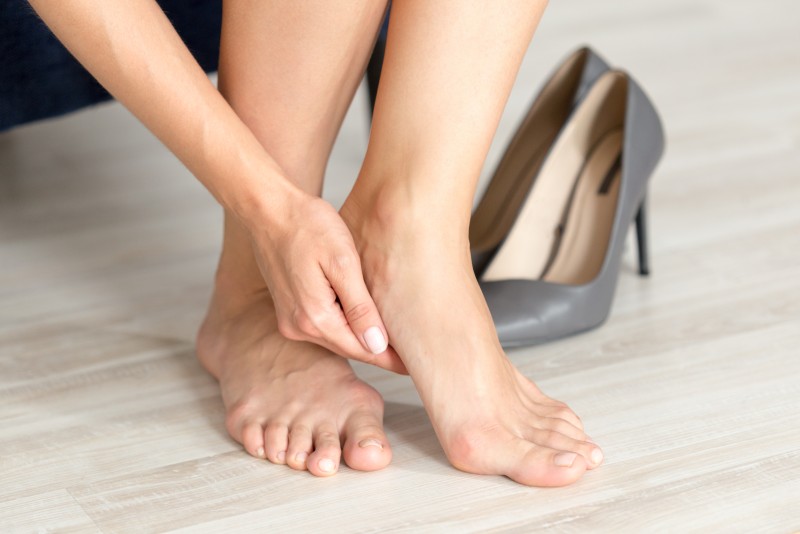
Heel pain can make everyday activities such as walking, standing, and climbing stairs uncomfortable. It may develop suddenly after a minor injury or gradually due to repeated pressure on the foot. Even when the discomfort seems manageable, persistent heel pain can interfere with daily routines and make physical activity difficult.
Minor injuries, including bruises, mild strains, and small soft tissue injuries, can affect the heel and surrounding structures. However, heel pain is not always caused by an injury. Conditions such as plantar fasciitis and Achilles tendon problems can also contribute to discomfort.
Understanding what may be causing the pain is an important step toward choosing appropriate care. With the right evaluation and treatment, many people can manage heel discomfort and gradually return to their usual activities.
How Can Minor Injuries Cause Heel Pain?
The heel supports much of the body’s weight during standing, walking, and running. It contains bones, tendons, ligaments, and a protective fat pad that help absorb pressure and support movement. When these structures experience sudden impact or repeated stress, pain can develop.
Minor injuries may occur during everyday activities, exercise, or sports. For example, landing awkwardly after a jump, stepping on a hard object, or walking for a long time in unsupportive footwear can irritate the heel.
Common minor injuries that may cause heel pain include:
- Heel bruises: A direct impact or landing on a hard surface can injure the soft tissue and fat pad beneath the heel.
- Mild tendon strains: Sudden increases in activity or awkward movements may place excessive stress on tendons around the heel.
- Soft tissue irritation: Repeated pressure or friction can irritate the tissues surrounding the heel.
- Minor ankle or foot sprains: Twisting movements may affect nearby ligaments and cause pain around the heel.
- Overuse injuries: Running, jumping, or prolonged standing can place repeated stress on the heel and surrounding structures.
The location and timing of the pain can provide useful clues, but a medical examination may be needed to identify the exact cause.
Common Causes of Heel Pain
Heel pain can develop for several reasons. Some causes are related to minor injuries, while others involve ongoing irritation or changes in the structures supporting the foot.
Plantar Fasciitis
Plantar fasciitis is a common cause of pain beneath the heel. It occurs when the plantar fascia, a thick band of tissue connecting the heel to the front of the foot, becomes irritated.
People with plantar fasciitis often experience sharp pain during their first steps in the morning or after sitting for an extended period. The discomfort may ease with movement but return after prolonged standing or walking.
Activities that place repeated stress on the feet, changes in exercise routines, and inadequate footwear may contribute to symptoms.
Heel Bruises
A heel bruise can occur when the soft tissue beneath the heel experiences direct impact. This may happen after jumping onto a hard surface, stepping on an uneven object, or landing awkwardly during sports.
Symptoms may include tenderness, swelling, and pain when putting weight on the affected foot. Some bruises improve with rest and appropriate care, although more severe pain may require medical evaluation.
Achilles Tendon Problems
The Achilles tendon connects the calf muscles to the heel bone. Repetitive strain or sudden increases in physical activity can irritate the tendon and cause pain at the back of the heel.
Symptoms may include stiffness, tenderness, and discomfort when walking, running, or climbing stairs. A sudden pop accompanied by severe pain or difficulty pushing off the foot may indicate a serious tendon injury and requires prompt medical attention.
Heel Spurs
A heel spur is a bony growth that can develop on the underside of the heel bone. Some people have heel spurs without experiencing any symptoms. When heel pain is present, it may be related to surrounding tissue irritation rather than the spur itself.
A healthcare professional can assess the symptoms and determine whether the pain is associated with a heel spur or another condition.
Stress Fractures
A stress fracture is a small crack in a bone that can develop from repeated pressure. It may occur when someone suddenly increases their running distance, exercise intensity, or time spent on their feet.
Pain may initially occur during activity and improve with rest. As the injury progresses, discomfort may become more persistent. Suspected stress fractures require medical evaluation because continued pressure can worsen the injury.
Symptoms to Watch for With Heel Pain
Heel pain can feel different depending on the underlying cause. Some people experience a dull ache, while others notice sharp pain when walking or putting weight on the foot.
Common symptoms include:
- Pain during the first steps: Discomfort may be most noticeable when getting out of bed or standing after sitting.
- Tenderness beneath the heel: Pressure on the bottom of the heel may cause soreness.
- Swelling or bruising: These symptoms may appear after an injury or irritation.
- Stiffness: The heel or surrounding tissues may feel tight after periods of rest.
- Pain during activity: Walking, running, jumping, or standing for long periods may worsen discomfort.
- Difficulty bearing weight: More significant injuries may make it difficult to stand or walk normally.
Pay attention to whether the pain is improving, remaining the same, or getting worse. Persistent symptoms or difficulty walking may indicate that medical evaluation is needed.
Heel Pain Treatment Options for Minor Injuries
Treatment depends on the cause and severity of the injury. Mild heel discomfort may improve with simple measures, while persistent or severe symptoms may require additional evaluation.
1. Rest and Activity Modification
Reducing activities that aggravate heel pain can help the affected tissues recover. This may involve temporarily limiting running, jumping, or prolonged standing.
Complete inactivity is not always necessary. Gentle movement may be appropriate if it does not increase discomfort. Gradually returning to normal activities can help avoid placing too much stress on the heel too soon.
2. Cold Therapy
Applying a cold pack wrapped in a towel may help reduce pain and swelling after a minor injury. It can be particularly useful when the heel is sore following physical activity or a direct impact.
Avoid placing ice directly on the skin. If the pain is severe or does not improve, seek medical advice rather than relying only on home care.
3. Supportive Footwear
Shoes with adequate cushioning and support may reduce pressure on the heel. Wearing comfortable footwear can be especially helpful for people who spend long periods standing or walking.
Avoid shoes that are worn out, poorly fitted, or provide little support if they worsen your symptoms. A healthcare professional may recommend heel pads or other support depending on the cause of the pain.
4. Stretching and Physical Therapy
Gentle stretching may help improve flexibility in the calf muscles and the tissues beneath the foot. A healthcare professional or physical therapist can recommend suitable exercises based on the injury and symptoms.
Physical therapy may also focus on strengthening the muscles that support the foot and ankle. Exercises should be adjusted if they cause significant pain.
5. Medication for Pain Relief
Some people may benefit from medication to manage pain or inflammation. The appropriate option depends on the cause of the discomfort, medical history, and other medications being taken.
Consult a healthcare professional before using medication regularly, especially if you have existing health conditions or take other medicines.
6. Further Medical Evaluation
If heel pain continues despite basic care, a healthcare professional may recommend additional testing or treatment. An examination can help determine whether the symptoms are related to a soft tissue injury, tendon problem, or possible fracture.
Imaging may be recommended when a fracture or another structural problem is suspected. Treatment should be based on the findings rather than the symptoms alone.
When Should You Seek Medical Care for Heel Pain?
Mild heel pain may improve with rest and activity changes. However, some symptoms should not be ignored, especially when they interfere with walking or continue to worsen.
Consider seeking medical care if:
- Heel pain persists or repeatedly returns.
- You have difficulty walking or putting weight on the foot.
- Swelling or bruising develops after an injury.
- Pain interferes with work, exercise, or everyday activities.
- The heel feels increasingly tender or stiff.
- Symptoms do not improve with basic care.
Seek prompt medical attention if you experience severe pain after an injury, a visible deformity, an open wound, or an inability to bear weight. Redness, warmth, and swelling accompanied by fever may also require urgent evaluation.
People with diabetes or reduced sensation in their feet should seek medical advice for new foot injuries or wounds, even if the discomfort seems mild.
How to Prevent Heel Pain During Everyday Activities
Although not every heel injury can be prevented, certain habits may help reduce unnecessary pressure on the feet.
- Wear supportive shoes that fit properly.
- Increase exercise intensity and running distance gradually.
- Warm up before strenuous physical activity.
- Avoid walking barefoot on hard surfaces if it causes discomfort.
- Take breaks when standing for extended periods.
- Replace worn-out athletic shoes when they no longer provide adequate support.
- Pay attention to early signs of discomfort instead of repeatedly pushing through pain.
Maintaining a gradual and consistent exercise routine can also help reduce sudden stress on the feet. If heel pain repeatedly develops during a particular activity, consider discussing it with a healthcare professional.
FAQs
1. Can a minor injury cause heel pain?
Yes. A minor injury, such as a bruise, mild strain, or soft tissue irritation, can cause heel pain. Direct impact, awkward landings, and repeated pressure may affect the structures beneath or around the heel. Persistent symptoms should be evaluated to rule out more significant injuries.
2. How do I know if my heel pain is caused by an injury?
Heel pain that begins immediately after a fall, awkward landing, or direct impact may be related to an injury. Bruising, swelling, and tenderness can also occur. However, conditions such as plantar fasciitis can cause similar symptoms, so an examination may be needed to determine the cause.
3. What is the best treatment for heel pain?
The appropriate treatment depends on what is causing the pain. Mild injuries may improve with rest, activity modification, cold therapy, and supportive footwear. Other conditions may require exercises, medication, or further medical care. A healthcare professional can help determine the right approach.
4. How long does heel pain from a minor injury last?
Recovery time depends on the type and severity of the injury. Mild bruises or strains may improve over several days or weeks, while more significant injuries can take longer. If the pain is not improving or becomes worse, seek medical evaluation.
5. Should I keep walking if my heel hurts?
It depends on the severity and cause of the pain. Gentle walking may be manageable with mild discomfort, but activities that increase pain should be reduced. If you have severe pain or difficulty bearing weight, seek medical evaluation before continuing normal activities.
Conclusion
Heel pain can develop from minor injuries, repetitive stress, or underlying foot conditions. Even when the discomfort initially seems mild, persistent pain can affect walking, exercise, and everyday activities. Recognizing symptoms and understanding their possible causes can help you decide when to seek medical care.
Many minor heel injuries improve with appropriate rest, activity adjustments, and supportive footwear. However, ongoing pain, swelling, or difficulty bearing weight may require further evaluation to identify the problem and determine suitable treatment.
Visit Us
Visit us https://scclittleelm.com/our-services/minor-injury/,our healthcare team can evaluate minor injuries and help determine the appropriate next steps for heel pain. Whether you are experiencing discomfort after an injury, pain while walking, or persistent soreness that affects your daily activities, an assessment can help identify possible causes and guide your care. Our team can also help determine whether further testing or specialist referral may be needed.
You can also stay proactive about your overall health with routine medical care and preventive health services. Contact (469) 200-5974 to schedule an appointment and speak with our healthcare team about your concerns.