
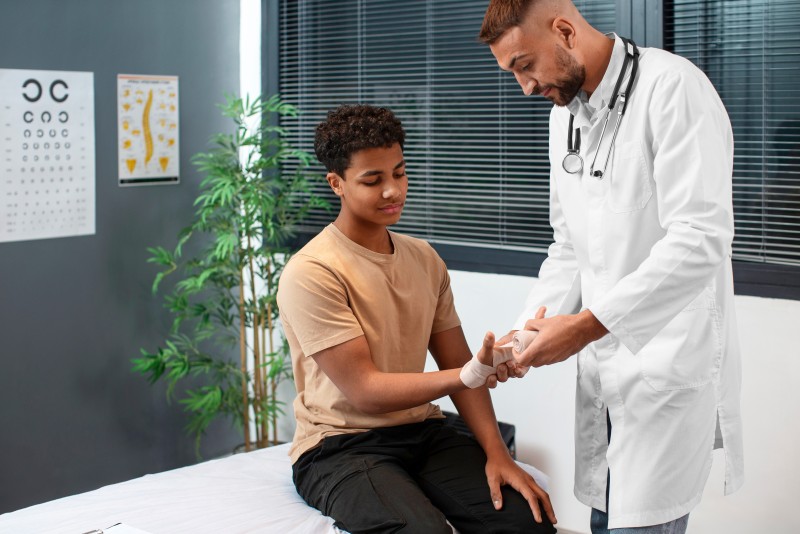
Annual physical exams play a crucial role in maintaining long-term wellness by helping individuals identify potential health concerns before they become serious. A yearly health checkup is not just a medical formality; it is an essential investment in your overall well-being. Whether you are managing chronic conditions or simply ensuring that everything is functioning well, a routine physical exam provides a clear picture of your health status and helps you make informed decisions.
Why Annual Physical Exams Matter
A preventive health exam allows healthcare providers to screen for early signs of disease, monitor vital health indicators, and recommend lifestyle changes that can significantly improve health outcomes. Many chronic illnesses—such as diabetes, hypertension, heart disease, and certain cancers—develop silently over time. Through an annual medical examination, these conditions can often be detected early, when they are easier to treat and manage.
Regular screenings, blood tests, and physical assessments included in a yearly wellness exam help assess your overall health and track changes from year to year. Early detection not only reduces the risk of complications but also lowers healthcare costs in the long run by preventing the need for emergency treatments or intensive procedures.
What to Expect During a Yearly Health Checkup
A comprehensive routine physical exam generally includes a review of your medical history, discussion of symptoms, and evaluation of lifestyle factors such as diet, physical activity, sleep habits, and stress levels. Your healthcare provider will typically check your vital signs, including blood pressure, heart rate, temperature, and respiratory rate.
Depending on your age, gender, and medical history, your preventive health exam may also involve:
- Blood tests to assess cholesterol, blood sugar, liver function, and kidney function
- Body mass index (BMI) calculation
- Vision and hearing tests
- Screening for cancer, such as mammograms or colon cancer tests
- Immunization updates
- Mental health evaluation
These evaluations are essential parts of an annual medical examination, helping you understand your current health status and prevent future health issues.
Benefits of Regular Preventive Health Exams
Scheduling annual physical exams provides numerous benefits. Early detection of medical issues can significantly improve treatment success rates. A yearly wellness exam also fosters a stronger relationship between you and your healthcare provider, allowing for better personalized care.
Other key benefits include:
- Preventing diseases: Early screening identifies risk factors before they worsen.
- Tracking health changes: Ongoing monitoring helps detect trends or improvements.
- Improving lifestyle: Providers offer expert recommendations for better nutrition, exercise, and mental wellness.
- Increasing longevity: Timely interventions lead to better long-term health outcomes.
Overall, a yearly health checkup serves as a roadmap for continuous health improvement.
Conclusion
A commitment to annual physical exams is one of the most effective ways to safeguard your long-term health. Early detection through a yearly wellness exam ensures timely treatment, healthier lifestyle choices, and improved outcomes. Prioritizing a routine physical exam each year empowers you to take control of your well-being and live a healthier, more informed life.
Frequently Asked Questions (FAQs)
1. Why is an annual physical exam important?
It helps detect health issues early, monitors ongoing conditions, and supports preventive care strategies for long-term wellness.
2. How long does a yearly health checkup take?
Most exams last between 30 minutes to one hour, depending on your medical history and the number of tests required.
3. What should I bring to my routine physical exam?
Bring your medical history, list of medications, past reports, and any symptoms or concerns you want to discuss.
4. Are annual medical examinations covered by insurance?
Many insurance plans include preventive health exams as part of their wellness benefits, but it’s best to check your policy.
5. How often should I schedule a preventive health exam?
A yearly wellness exam is recommended for all adults, though some individuals with chronic conditions may need more frequent checkups.
Your yearly wellness matters—call us at (469) 200-5974 or visit our website https://scclittleelm.com/our-services/annual-physical-exams/ to book your Annual Physical Exam effortlessly.