
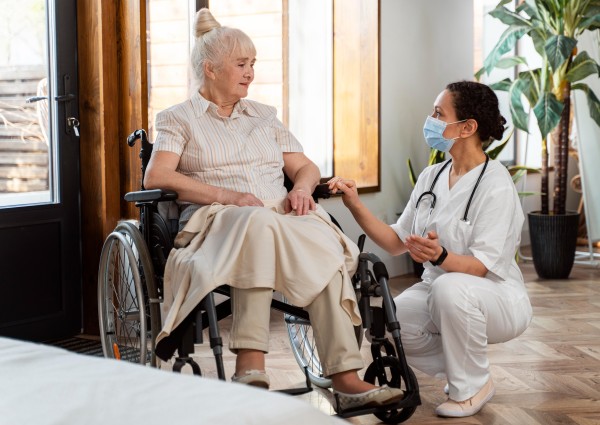
Geriatric care is specialized medical and personal care designed for older adults. As they age, their health needs change. They may need help with medications, mobility, chronic disease management, or daily activities. Good geriatric care focuses not only on treating disease, but also on improving quality of life.
If your parents or grandparents are elderly, you may have noticed small changes—slower movement, memory problems, or frequent doctor visits. This is where the right aged care and aged support services make a big difference.
In this guide, you’ll learn what hospice care involves, why it’s important, and how to choose the right care for your loved one.
What is aged care?
Geriatric care is health care specifically designed for older adults, typically those over 60. It focuses on:
- Prevention of age-related diseases
- Treatment of chronic conditions
- Mental health support
- Improving activities of daily living
Unlike general health care, geriatric health care looks at the whole person – physical, emotional and social health.
For example, a 75-year-old diabetic may have arthritis and mild memory loss. A geriatric assessment ensures that these issues are addressed together rather than separately.
Why is hospice care important?
Aging brings challenges. Bones weaken. Memory may decrease. The immune system slows down.
Without proper senior care, simple health problems can quickly become serious.
Real example:
Mr Sharma, 72, shrugged it off due to mild balance problems. He needed surgery after a fall. This fall could have been prevented with appropriate wellness programs for the elderly and regular assessments of the elderly.
The most important advantages of elderly care:
- Better management of chronic diseases
- Reduce hospital visits
- Improving mobility and safety
- Support emotional and mental health
- Personalized treatment plans
Services included in elderly care
Elderly care is not just a service. It contains a bunch of anti-aging services.
1. Comprehensive survey of geriatric diseases
This includes:
- Physical health examination
- Memory and cognitive testing
- Drug review
- Nutritional assessment
It helps doctors create a complete care plan.
2. Treatment of chronic diseases
A bunch of older adults live with:
- Diabetes
- Heart disease
- Arthritis
- High blood pressure
Proper treatment of chronic diseases reduces complications and improves everyday comfort.
3. Dementia and memory care
Dementia care focuses on:
- Cognitive therapy
- Safety design
- Guidance for caregivers
Early diagnosis makes a big difference.
4. Home care for the elderly
Some elderly people prefer to stay at home. Elderly care at home:
- Medication reminders
- Help with cleaning and dressing
- Mobility support
- Society
It enables independence and security.
5. Support for caregivers
Family caregivers often feel overwhelmed.
Career support services provide:
- Consultation
- Advanced care
- Education and training
Support from the caregiver also improves the patient’s life.
Signs that your loved one needs hospice care
Not sure if it’s time?
Look out for these signs:
- Frequent falls
- Memory problems
- The medicated confusion
- Weight loss
- Social withdrawal
- Difficulty performing daily tasks
If you experience two or more of these symptoms it may be time to consider specialized hospice care.
Preventive care in old age
Prevention is powerful. Good care for older adults focuses on:
- Fall prevention strategies
- Vaccinations
- Monitor your bone health
- Mental health screening
- Nutrition counseling
Small preventive steps today can prevent serious health problems tomorrow.
Best practices for healthy aging
Based on clinical experience and patient feedback the following proven strategies are available:
- Encourage light exercise daily (20 minute walk)
- Keep medication lists up to date
- Scheduling a regular geriatric examination
- Maintaining social relationships
- Follow balanced nutrition plans
Healthy aging is not about avoiding aging but aging well.
Conclusion
Hospice care is not just medical treatment. Full support for the elderly. From chronic disease management to dementia care and home aged care it ensures that seniors can live safely and comfortably.
Like Aging is normal. It doesn’t have to be a struggle.
If a loved one needs specialized compassionate hospice care now is the time to act.
Frequently Asked Questions (FAQs)
1. What age should someone start Geriatric Care?
Usually after 60, but earlier if there are chronic conditions.
2. Is Geriatric Care only for serious illnesses?
No. It focuses on prevention, wellness, and daily support too.
3. Can Geriatric Care be provided at home?
Yes, in-home senior care is a common option.
4. How often is a geriatric assessment needed?
Typically once a year, or more often if health conditions change.
5. Does Geriatric Care help with dementia?
Yes. Dementia care is a major part of specialized elderly care.
Visit our website https://scclittleelm.com/our-services/geriatric-care/ today to learn more about our Geriatric Care services. Call us at (469) 200-5974 now to schedule a consultation and speak with our care experts.