
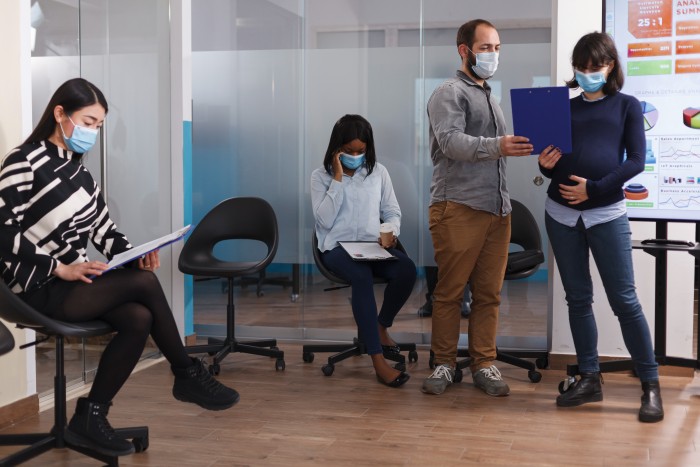
Ensuring employees are fit and healthy for their roles is a crucial responsibility for every organization. Employment Physicals play a vital role in assessing an individual’s readiness for work, preventing potential workplace injuries, and maintaining overall productivity. These health assessments are designed to ensure that employees meet the physical and medical requirements necessary for their jobs.
What Are Employment Physicals?
Employment Physicals, also known as Pre-Employment Physical Exams, are medical evaluations conducted before an employee begins a new role. These exams aim to assess an individual’s overall health, identify any underlying conditions, and ensure they can safely perform their job duties. Employers often require these evaluations to reduce workplace risks and comply with safety regulations.
Importance of Workplace Health Screening
A comprehensive Workplace Health Screening is essential for both employees and employers. It helps detect potential health issues early, promotes a safe working environment, and supports employee wellness initiatives. These screenings may include tests for vision, hearing, cardiovascular health, respiratory function, and musculoskeletal fitness, depending on the nature of the job.
By investing in Workplace Health Screening, companies not only protect their workforce but also reduce absenteeism, increase productivity, and minimize the likelihood of workplace accidents. Employees benefit from knowing their health status and receiving guidance on maintaining optimal wellness.
Components of a Job Fitness Exam
A Job Fitness Exam evaluates an employee’s physical and mental ability to perform specific tasks. This exam may include:
- Medical History Review: Understanding past illnesses, surgeries, or chronic conditions.
- Physical Examination: Checking vital signs, strength, flexibility, and overall physical condition.
- Vision and Hearing Tests: Ensuring employees meet job-specific sensory requirements.
- Lab Tests and Screenings: Conducting blood work, urine tests, or drug screenings when necessary.
- Immunizations: Ensuring compliance with job-related vaccination requirements.
These components ensure that employees are medically cleared to perform their job responsibilities safely and efficiently.
Employee Medical Checkup Benefits
A routine Employee Medical Checkup is beneficial for both workers and organizations. Employees gain insight into their current health status and receive advice on maintaining wellness. Employers, on the other hand, benefit from reduced workplace injuries, better employee performance, and compliance with occupational safety standards.
Regular medical checkups foster a culture of health awareness and help detect conditions that might otherwise go unnoticed. They can also serve as a foundation for workplace wellness programs.
Occupational Health Physical: Beyond Pre-Employment
An Occupational Health Physical is not limited to pre-employment evaluations. These physicals are also conducted periodically to monitor ongoing health and ensure employees continue to meet job requirements. Occupational health assessments are particularly important in physically demanding roles or positions with exposure to hazardous materials.
Such exams can prevent long-term health issues, reduce workplace injuries, and enhance employee satisfaction by demonstrating that the company prioritizes workforce well-being.
Conclusion
Expert Employment Physicals and Workplace Health Screening are integral to ensuring a safe and productive work environment. From Pre-Employment Physical Exams to ongoing Occupational Health Physicals, these assessments safeguard both employee health and organizational success. Employers who prioritize comprehensive health screenings demonstrate a commitment to workforce well-being, ultimately fostering a healthier, safer, and more efficient workplace.
Frequently Asked Questions (FAQs)
Q1: What is the difference between an employment physical and a regular doctor visit?
A: An employment physical focuses on job-specific requirements and workplace safety, whereas a regular doctor visit addresses general health concerns.
Q2: Are pre-employment physical exams mandatory?
A: While not legally required for all jobs, many employers mandate them to ensure job fitness and compliance with safety regulations.
Q3: How often should employees undergo workplace health screening?
A: The frequency depends on the nature of the job and company policies, but periodic checkups are recommended for ongoing health monitoring.
Q4: Can a job fitness exam detect chronic diseases?
A: Yes, these exams often include screenings for conditions like hypertension, diabetes, or respiratory issues, which can affect workplace performance.
Q5: Will occupational health physicals affect employment eligibility?
A: They are designed to ensure safety and fitness for the job. If an employee has a condition that may pose a risk, accommodations or alternative duties may be considered rather than outright denial.
Ensure workplace readiness with our expert Employment Physicals. Visit our website https://scclittleelm.com/our-services/physicals/ or call us at (469) 200-5974 to book your exam.