
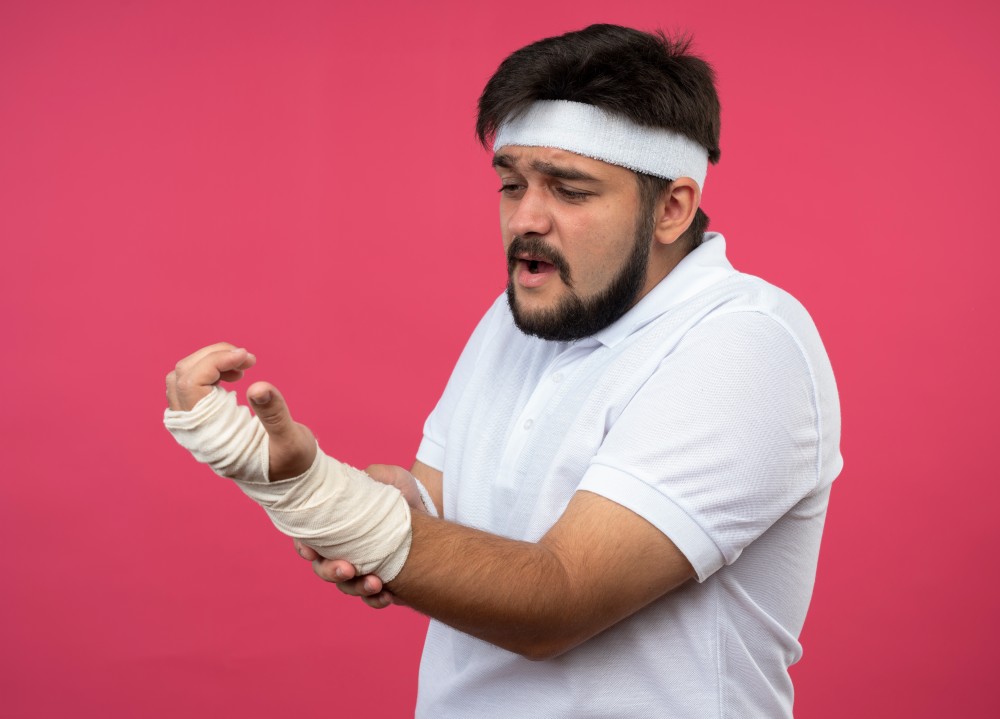
Minor injuries are a common part of everyday life. From small cuts and bruises to muscle strains and mild sprains, these issues often happen at home, work, or during physical activities. While they may not seem serious at first, ignoring minor injuries or delaying care can slow recovery and sometimes lead to complications. Knowing when to seek urgent care for minor injuries and how prompt treatment helps can make a significant difference in healing and comfort.
Understanding Minor Injuries and Their Impact
Minor injuries include conditions that are not life-threatening but still require medical attention to heal properly. These may involve soft tissue damage, minor fractures, small wounds, or mild joint injuries. Even though they are considered “minor,” improper or delayed minor injury treatment can cause prolonged pain, infection, or reduced mobility. Early evaluation ensures that the injury is accurately diagnosed and managed before it worsens.
Common Types of Minor Injuries
Some of the most frequently treated minor injuries include cuts, bruises, sprains, and strains. Cuts and bruises treatment is essential to prevent infection, control bleeding, and reduce swelling. Sprains and strains care focuses on ligaments and muscles that have been overstretched or torn, often due to sports, lifting, or sudden movements. Other minor injuries may include mild burns, insect bites, or minor joint pain that affects daily activities.
When to Seek Urgent Care for Minor Injuries
Many people wonder whether a minor injury truly needs medical attention. You should consider urgent care for minor injuries if there is persistent pain, swelling, redness, or limited movement. Wounds that continue bleeding, show signs of infection, or cannot be properly cleaned at home should also be evaluated. Urgent care centers are ideal for non-emergency injuries because they provide quick access to professional care without the long wait times of an emergency room.
How Prompt Minor Injury Treatment Speeds Recovery
Prompt minor injury treatment plays a key role in faster healing. Early care helps reduce inflammation, manage pain, and prevent complications such as infections or chronic discomfort. For example, timely cuts and bruises treatment can reduce scarring and promote proper wound healing. Similarly, early sprains and strains care can prevent stiffness and long-term weakness by using appropriate therapies such as rest, compression, and guided movement.
Benefits of Choosing Urgent Care for Minor Injuries
Urgent care for minor injuries offers convenience, efficiency, and expert evaluation. Medical professionals can assess the injury, order imaging if needed, and recommend the right treatment plan. Many urgent care centers are equipped to handle minor fractures, provide wound care, and offer guidance on at-home recovery. This approach helps patients return to normal activities sooner and with greater confidence.
Preventing Complications Through Early Care
Seeking care early not only speeds recovery but also reduces the risk of complications. Untreated minor injuries can develop into infections, chronic pain, or limited mobility. By choosing timely medical attention, patients protect their long-term health and ensure proper healing. Education on injury prevention and follow-up care further supports a smooth recovery process.
Conclusion
Minor injuries may seem small, but they deserve proper attention. Knowing when to seek urgent care for minor injuries and understanding the importance of prompt treatment can significantly improve recovery outcomes. Whether it’s cuts and bruises treatment or sprains and strains care, early medical support helps reduce pain, prevent complications, and restore normal function faster.
Frequently Asked Questions (FAQs)
Q1: What are considered minor injuries?
Minor injuries include small cuts, bruises, mild sprains, strains, minor burns, and soft tissue injuries that are not life-threatening but still require care.
Q2: When should I go to urgent care for minor injuries?
You should seek urgent care if pain, swelling, or bleeding persists, movement is limited, or there are signs of infection such as redness or warmth.
Q3: Can minor injury treatment be done at home?
Some minor injuries can be managed at home initially, but medical evaluation is recommended if symptoms worsen or do not improve.
Q4: How does urgent care help with sprains and strains care?
Urgent care providers assess the injury, rule out fractures, and recommend proper treatment such as rest, support, and rehabilitation guidance.
Q5: Why is prompt treatment important for minor injuries?
Early treatment reduces pain, speeds healing, and prevents complications like infection or long-term discomfort.
Quick relief for minor injuries is just a click or call away. Visit our website https://scclittleelm.com/our-services/minor-injury/ and call us at (469) 200-5974 today!