
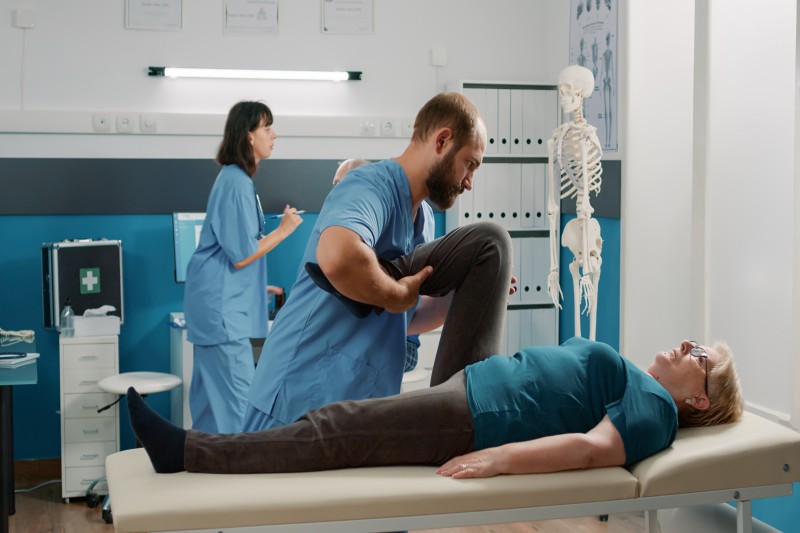
Regular health checkups play a vital role in maintaining overall well-being and preventing serious medical conditions. Physicals, also known as physical exams, help healthcare providers assess your current health, detect potential issues early, and ensure you meet specific medical requirements for school, work, or sports. This complete guide explains the different types of physical exams and when you need one.
What Are Physicals and Why Are They Important?
Physicals are comprehensive health evaluations performed by a medical professional to assess your overall physical condition. A medical physical exam typically includes checking vital signs, reviewing medical history, conducting a physical assessment, and sometimes ordering lab tests. These exams help identify risk factors, monitor chronic conditions, and provide guidance for maintaining a healthy lifestyle. Routine physical exams are essential for people of all ages, from children to seniors.
Annual Physicals: Your Yearly Health Check
Annual physicals are preventive exams recommended once a year, even if you feel healthy. These exams focus on early detection of health problems such as high blood pressure, diabetes, or heart disease. During annual physicals, providers may perform blood tests, review medications, update vaccinations, and discuss diet, exercise, and mental health. Regular annual checkups allow for long-term health tracking and early intervention.
Sports Physicals: Staying Safe and Active
Sports physicals are required for individuals participating in organized athletic activities. These physical exams ensure that athletes are physically fit and safe to play sports. Sports physicals evaluate heart health, joint flexibility, muscle strength, vision, and previous injuries. They help identify conditions that could increase the risk of injury or sudden medical issues during physical activity.
School Physicals: Meeting Educational Requirements
School physicals are often required for children entering daycare, kindergarten, or a new school system. These physical exams confirm that a child is healthy enough to attend school and participate in activities. School physicals typically include growth measurements, vision and hearing screenings, immunization reviews, and general health assessments. Keeping school physicals up to date ensures compliance with school health regulations.
Work Physicals: Fitness for the Job
Work physicals are medical evaluations required by employers to determine if an individual is physically capable of performing job-related tasks. These exams vary depending on the job role and may include vision tests, drug screenings, strength assessments, and respiratory evaluations. Work physicals are commonly required for physically demanding jobs, healthcare roles, or safety-sensitive positions.
Walk In Physicals: Convenient and Flexible Care
Walk-in physicals offer a convenient option for individuals who need quick medical evaluations without scheduling an appointment. These physical exams are ideal for last-minute school physicals, sports physicals, or work physicals. Walk in physicals provide fast, efficient care while still delivering thorough medical assessments.
When Do You Need a Physical Exam?
You may need a medical physical exam annually, before starting a new job, enrolling in school, joining a sports team, or when required by an employer or organization. Even without specific requirements, regular physical exams are recommended to maintain long-term health and prevent complications.
Frequently Asked Questions (FAQs)
1. How often should I get a physical exam?
Most adults should have annual physicals once a year, while children may need physical exams based on school or sports requirements.
2. What should I bring to a physical exam?
Bring a valid ID, insurance information, vaccination records, and a list of current medications or medical conditions.
3. Are physicals as thorough as scheduled exams?
Yes, walk in physicals provide comprehensive evaluations similar to scheduled physical exams, depending on the exam type.
4. What is the difference between annual physicals and work physicals?
Annual physicals focus on overall health and prevention, while work physicals assess job-related fitness and safety.
5. Do physical exams require fasting?
Some lab tests during annual physicals may require fasting. Your provider will inform you in advance if needed.
Stay healthy with comprehensive physicals! Visit our website https://scclittleelm.com/our-services/physicals/ or call us at (469) 200-5974 today to schedule your appointment.