
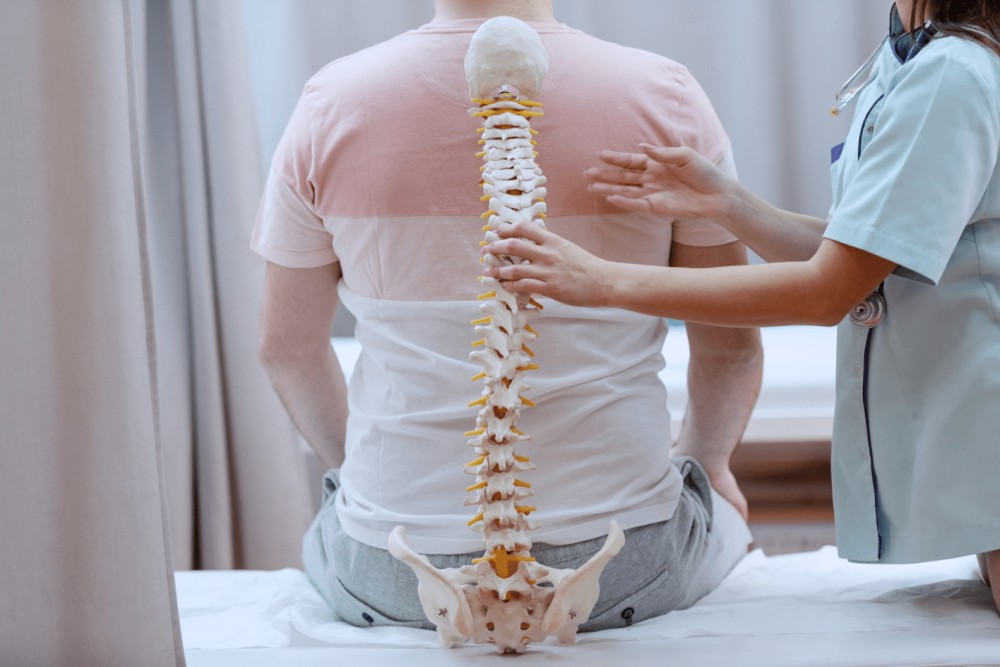
Back pain is one of the most common health complaints worldwide, affecting millions of people every year. While many cases improve with rest, physical therapy, and medication, some individuals experience persistent pain that significantly impacts their quality of life. In such situations, consulting a back pain spine surgeon can be a crucial step toward finding long-term relief.
A spine surgeon specializes in diagnosing and treating conditions affecting the spine, including degenerative diseases, herniated discs, spinal stenosis, scoliosis, and spinal injuries. Their expertise helps patients regain mobility, reduce pain, and improve overall function.
Understanding Back Pain
Back pain can range from mild discomfort to severe, debilitating pain. It may occur suddenly due to injury or develop gradually over time because of aging and wear-and-tear.
Common Causes of Back Pain
| Cause | Description |
| Herniated Disc | Occurs when spinal discs bulge or rupture, pressing on nerves |
| Degenerative Disc Disease | Age-related breakdown of spinal discs |
| Spinal Stenosis | Narrowing of the spinal canal causing nerve compression |
| Arthritis | Joint inflammation affecting spinal mobility |
| Scoliosis | Abnormal curvature of the spine |
| Spinal Fractures | Breaks in vertebrae due to trauma or osteoporosis |
| Muscle Strain | Overstretching or tearing of muscles and ligaments |
Identifying the root cause is essential for effective treatment.
What Does a Back Pain Spine Surgeon Do?
A back pain spine surgeon evaluates spinal conditions and determines whether surgical or non-surgical treatments are most appropriate.
Their responsibilities include:
- Conducting comprehensive evaluations
- Reviewing imaging studies such as MRI and CT scans
- Diagnosing spinal disorders
- Recommending conservative treatments
- Performing advanced spine surgeries when necessary
- Monitoring recovery and rehabilitation
Many patients are surprised to learn that surgery is often considered only after non-surgical treatments have failed.
Signs You Should See a Spine Surgeon
Certain symptoms indicate the need for specialist evaluation.
Warning Signs
| Symptom | Importance |
| Chronic back pain lasting over 12 weeks | May indicate underlying spinal condition |
| Numbness or tingling | Possible nerve compression |
| Weakness in arms or legs | Neurological involvement |
| Difficulty walking | Potential spinal cord issues |
| Loss of bladder or bowel control | Medical emergency |
| Severe pain after injury | May indicate fracture or structural damage |
Seeking early medical attention can prevent further complications.
Diagnostic Procedures Used by Spine Surgeons
Accurate diagnosis is the foundation of effective treatment.
Common Diagnostic Tools
| Diagnostic Test | Purpose |
| Physical Examination | Evaluates movement, strength, and reflexes |
| X-Rays | Detect bone abnormalities |
| MRI Scan | Provides detailed images of soft tissues and nerves |
| CT Scan | Creates detailed cross-sectional images |
| EMG Testing | Assesses nerve function |
| Blood Tests | Rules out infection or inflammatory conditions |
These diagnostic methods help create a personalized treatment plan.
Non-Surgical Treatments for Back Pain
Before recommending surgery, spine surgeons typically explore conservative treatment options.
Popular Non-Surgical Treatments
- Physical therapy
- Anti-inflammatory medications
- Pain management injections
- Lifestyle modifications
- Chiropractic care
- Exercise programs
- Weight management
- Posture correction
Many patients experience significant improvement through these methods alone.
When Is Spine Surgery Necessary?
Surgery may become necessary when conservative treatments fail to provide relief or when neurological symptoms worsen.
Conditions That May Require Surgery
| Condition | Surgical Consideration |
| Herniated Disc | Persistent nerve compression |
| Spinal Stenosis | Severe narrowing affecting mobility |
| Spinal Instability | Vertebrae moving abnormally |
| Scoliosis | Significant spinal curvature |
| Spinal Tumors | Removal of abnormal growths |
| Fractures | Stabilization of damaged vertebrae |
The goal of surgery is to reduce pain, restore function, and prevent further spinal damage.
Common Spine Surgery Procedures
Modern spinal surgery techniques are more advanced and less invasive than ever before.
Frequently Performed Procedures
1. Discectomy
Removes portions of a herniated disc pressing on nerves.
2. Laminectomy
Removes part of the vertebra to relieve pressure on spinal nerves.
3. Spinal Fusion
Joins two or more vertebrae together for stability.
4. Artificial Disc Replacement
Replaces damaged discs while maintaining spinal movement.
5. Minimally Invasive Spine Surgery
Uses smaller incisions, resulting in faster recovery and reduced complications.
Benefits of Minimally Invasive Spine Surgery
Many spine surgeons now prefer minimally invasive techniques whenever possible.
| Benefit | Description |
| Smaller Incisions | Less tissue damage |
| Reduced Pain | Lower post-operative discomfort |
| Faster Recovery | Quicker return to daily activities |
| Lower Infection Risk | Reduced exposure during surgery |
| Minimal Blood Loss | Safer surgical experience |
| Shorter Hospital Stay | Faster discharge |
Patients often recover more comfortably compared to traditional open surgery.
Recovery After Spine Surgery
Recovery depends on the procedure performed, overall health, and adherence to rehabilitation plans.
Recovery Tips
- Follow surgeon instructions carefully
- Attend physical therapy sessions
- Avoid heavy lifting
- Maintain proper posture
- Stay active as recommended
- Eat a nutritious diet
- Attend follow-up appointments
Most patients gradually return to normal activities within weeks to months.
Choosing the Right Back Pain Spine Surgeon
Selecting an experienced surgeon is essential for successful treatment outcomes.
Factors to Consider
| Factor | Why It Matters |
| Board Certification | Demonstrates professional qualifications |
| Experience | More expertise in complex cases |
| Surgical Success Rates | Indicates quality outcomes |
| Patient Reviews | Provides insight into patient satisfaction |
| Advanced Technology | Access to modern treatment options |
| Communication Skills | Better understanding and trust |
A qualified surgeon will thoroughly explain your diagnosis and treatment options.
Preventing Future Back Problems
Although not all spinal conditions can be prevented, healthy habits can significantly reduce risk.
Prevention Strategies
- Exercise regularly
- Strengthen core muscles
- Maintain healthy body weight
- Use proper lifting techniques
- Avoid prolonged sitting
- Practice good posture
- Quit smoking
- Stay physically active
These habits support long-term spinal health and mobility.
Conclusion
Back pain can affect every aspect of daily life, from work productivity to personal well-being. An experienced back pain spine surgeon can identify the underlying cause of your symptoms and recommend the most effective treatment approach. Whether through conservative therapies or advanced surgical procedures, the goal is always to reduce pain, restore function, and improve quality of life. Early evaluation and appropriate care can make a significant difference in achieving lasting relief and maintaining a healthy, active lifestyle.
Frequently Asked Questions (FAQs)
1. What does a back pain spine surgeon treat?
A back pain spine surgeon treats conditions such as herniated discs, spinal stenosis, scoliosis, degenerative disc disease, spinal fractures, and chronic back pain.
2. When should I see a spine surgeon?
You should consider seeing a spine surgeon if you have persistent back pain, numbness, weakness, difficulty walking, or symptoms that do not improve with conservative treatment.
3. Is spine surgery always necessary for back pain?
No. Most spine surgeons recommend non-surgical treatments first and only consider surgery when conservative options fail.
4. What is minimally invasive spine surgery?
It is a surgical technique that uses smaller incisions and specialized instruments to reduce tissue damage and speed up recovery.
5. How long does recovery from spine surgery take?
Recovery varies depending on the procedure and patient health but may range from several weeks to a few months.
Visit our https://scclittleelm.com/our-services/neurosurgery-spine-surgery/ clinic today for expert evaluation and personalized treatment from experienced spine specialists dedicated to helping you achieve lasting back pain relief.
Contact us at (469) 200-5214 now to schedule your consultation and learn how our advanced spine care solutions can help you regain mobility, comfort, and confidence in your daily life.