
Understanding Lumbar Spine Care
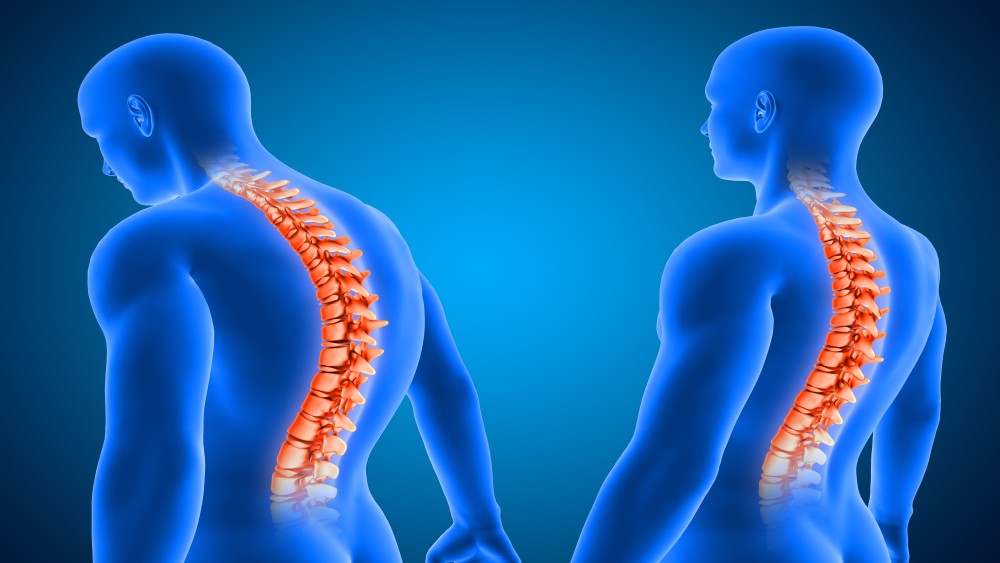
Lumbar spine care focuses on maintaining the health and function of the lower back region of the spine. The lumbar spine consists of five vertebrae (L1-L5) that support much of the body’s weight and allow movement such as bending, twisting, and lifting. Because this area experiences significant stress during daily activities, it is highly susceptible to injury, degeneration, and chronic pain.
Proper lumbar spine care is essential for preventing discomfort, improving mobility, and maintaining an active lifestyle. Whether you experience occasional back pain or chronic spinal conditions, understanding how to care for your lumbar spine can significantly improve your quality of life.
Common Causes of Lumbar Spine Problems
Several factors can contribute to lower back pain and lumbar spine disorders. Some of the most common causes include:
| Cause | Description |
| Herniated Disc | A spinal disc bulges or ruptures, placing pressure on nearby nerves. |
| Degenerative Disc Disease | Age-related wear and tear affecting spinal discs. |
| Muscle Strain | Overuse, heavy lifting, or sudden movements can strain muscles. |
| Spinal Stenosis | Narrowing of the spinal canal causing nerve compression. |
| Sciatica | Compression of the sciatic nerve resulting in leg pain and numbness. |
| Poor Posture | Long-term improper posture increases spinal stress. |
| Arthritis | Inflammation of spinal joints leading to pain and stiffness. |
Recognizing the underlying cause is the first step toward effective lumbar spine care and treatment.
Signs and Symptoms That Require Attention
Many individuals ignore early symptoms of spinal problems until they become severe. Common warning signs include:
- Persistent lower back pain
- Stiffness and reduced flexibility
- Numbness or tingling in the legs
- Muscle weakness
- Difficulty standing or walking
- Pain that radiates down the legs
- Discomfort after prolonged sitting
Seeking timely lumbar spine care can prevent minor issues from developing into more serious conditions requiring extensive treatment.
Importance of Early Diagnosis
Early diagnosis plays a crucial role in successful lumbar spine care. Healthcare providers use various diagnostic methods to determine the cause of pain and create a personalized treatment plan.
Common diagnostic tools include:
- Physical examinations
- Medical history review
- X-rays
- MRI scans
- CT scans
- Nerve conduction studies
Accurate diagnosis allows physicians to identify spinal abnormalities and recommend the most effective treatment options.
Non-Surgical Lumbar Spine Care Treatments
Many lumbar spine conditions can be effectively managed without surgery. Conservative treatments often provide significant relief and improve spinal function.
1. Physical Therapy
Physical therapy is one of the most effective approaches for lumbar spine care. Therapists design customized exercise programs to strengthen core muscles, improve flexibility, and support proper spinal alignment.
Benefits include:
- Reduced pain
- Improved mobility
- Better posture
- Enhanced muscle strength
- Lower risk of future injuries
2. Medication Management
Depending on the severity of symptoms, physicians may recommend:
- Anti-inflammatory medications
- Muscle relaxants
- Pain relievers
- Nerve pain medications
Medication can help manage discomfort while patients participate in rehabilitation programs.
3. Chiropractic Care
Chiropractic adjustments may help relieve pressure on spinal structures and improve joint mobility. Many patients find chiropractic care beneficial as part of a comprehensive lumbar spine care plan.
4. Lifestyle Modifications
Simple lifestyle changes can significantly impact spinal health:
- Maintaining a healthy weight
- Practicing good posture
- Avoiding prolonged sitting
- Using proper lifting techniques
- Staying physically active
These adjustments reduce stress on the lumbar spine and promote long-term wellness.
Advanced Treatment Options
When conservative methods fail to provide adequate relief, advanced interventions may be considered.
1. Epidural Steroid Injections
These injections deliver anti-inflammatory medication directly to affected spinal areas. They can help reduce nerve irritation and provide temporary pain relief.
2. Radiofrequency Ablation
This minimally invasive procedure uses heat to disrupt pain signals from specific nerves. It is commonly used for chronic lower back pain management.
3. Regenerative Medicine
Emerging regenerative therapies aim to support tissue healing and reduce inflammation. These treatments continue to evolve as research advances.
When Surgery May Be Necessary
Although many patients respond well to non-surgical care, surgery may be recommended when symptoms persist or neurological complications develop.
Common surgical procedures include:
| Procedure | Purpose |
| Discectomy | Removes herniated disc material pressing on nerves |
| Laminectomy | Creates more space within the spinal canal |
| Spinal Fusion | Stabilizes vertebrae by joining spinal segments |
| Artificial Disc Replacement | Replaces damaged discs while preserving motion |
A spine specialist will carefully evaluate whether surgery is appropriate based on individual circumstances.
Preventing Future Lumbar Spine Problems
Preventive care is a critical component of effective lumbar spine care. Developing healthy habits can reduce the risk of recurring pain and spinal injuries.
1. Exercise Regularly
Engage in activities that strengthen the back and core muscles, such as:
- Walking
- Swimming
- Yoga
- Pilates
- Strength training
2. Maintain Proper Posture
Good posture helps distribute weight evenly across the spine. Keep your shoulders back, head aligned, and feet flat on the floor while sitting.
3. Use Proper Lifting Techniques
When lifting heavy objects:
- Bend at the knees
- Keep the object close to your body
- Avoid twisting motions
- Lift with your legs rather than your back
4. Improve Workplace Ergonomics
An ergonomic workspace can significantly reduce lumbar strain. Consider:
- Adjustable chairs
- Lumbar support cushions
- Proper monitor height
- Frequent movement breaks
The Role of Rehabilitation in Lumbar Spine Care
Rehabilitation is often essential for achieving long-term recovery. A structured rehabilitation program helps patients regain strength, restore mobility, and return to daily activities safely.
Rehabilitation may include:
- Stretching exercises
- Strength training
- Balance training
- Functional movement exercises
- Pain management education
Consistent participation in rehabilitation improves outcomes and reduces the likelihood of future injuries.
Living Well with Chronic Lower Back Pain
Some individuals experience ongoing spinal conditions that require continuous management. Effective lumbar spine care involves creating a comprehensive treatment plan that combines medical care, exercise, lifestyle modifications, and regular follow-up visits.
Patients who actively participate in their care often experience:
- Reduced pain levels
- Better physical function
- Improved mental well-being
- Enhanced quality of life
Working closely with healthcare providers ensures that treatment plans remain effective and adaptable as needs change.
Conclusion
Lumbar spine care is essential for maintaining mobility, reducing pain, and supporting overall health. Whether dealing with a minor muscle strain or a more complex spinal condition, early diagnosis and appropriate treatment can make a significant difference. Through a combination of preventive measures, physical therapy, medical interventions, and healthy lifestyle habits, individuals can achieve lasting relief and improved spinal health. Investing in proper lumbar spine care today can help protect your back and enhance your quality of life for years to come.
Frequently Asked Questions (FAQs)
1. What is lumbar spine care?
Lumbar spine care refers to the diagnosis, treatment, prevention, and management of conditions affecting the lower back portion of the spine.
2. What causes lumbar spine pain?
Common causes include herniated discs, muscle strains, arthritis, spinal stenosis, poor posture, and degenerative disc disease.
3. Can lumbar spine problems heal without surgery?
Yes. Many lumbar spine conditions improve with physical therapy, medications, lifestyle modifications, and other non-surgical treatments.
4. How can I prevent lower back pain?
Regular exercise, maintaining proper posture, using safe lifting techniques, and maintaining a healthy weight can help prevent lower back pain.
5. When should I see a spine specialist?
You should seek medical evaluation if pain persists, worsens, causes numbness or weakness, or interferes with daily activities.
Looking for expert lumbar spine care and personalized treatment solutions? Visit our clinic https://scclittleelm.com/our-services/cervical-lumbar-spine/ today for comprehensive spinal evaluations, advanced pain management options, and rehabilitation services designed to help you regain mobility and live pain-free.
Contact us at (469) 200-5974 now to schedule your consultation and take the first step toward better spinal health, lasting pain relief, and improved quality of life.