
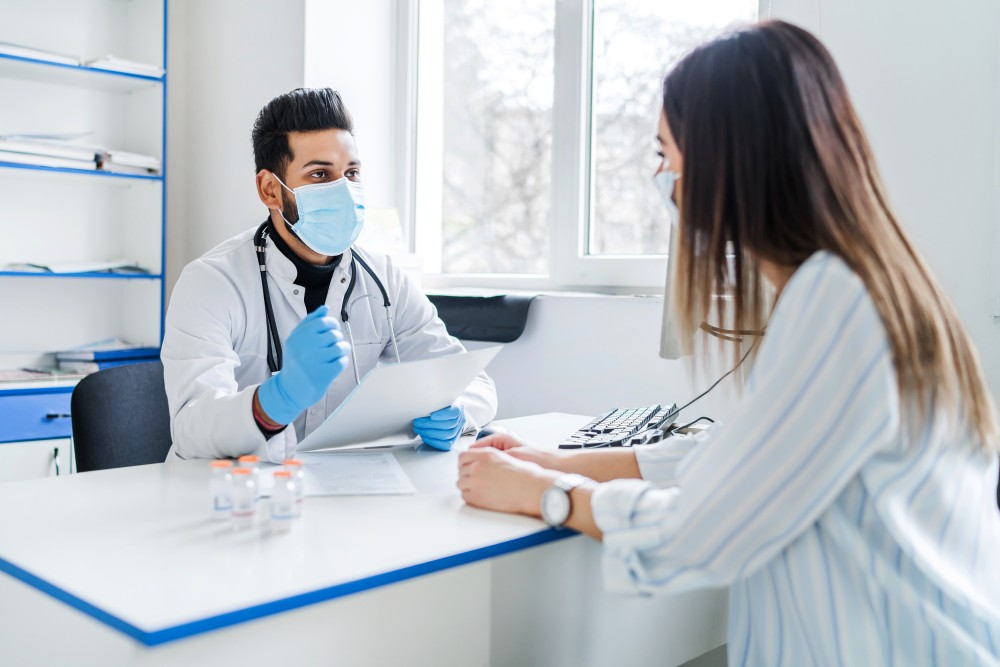
Understanding the Role of an Infection Treatment Clinic
An infection treatment clinic specializes in diagnosing, managing, and treating various types of infections that affect people of all ages. Infections can occur due to bacteria, viruses, fungi, or parasites and may impact different parts of the body, including the respiratory system, skin, urinary tract, digestive system, and more. Seeking prompt medical attention from an infection treatment clinic is essential to prevent complications and ensure a faster recovery.
Medical professionals at these clinics use advanced diagnostic methods to identify the cause of an infection and create a personalized treatment plan. Early diagnosis and treatment can significantly reduce symptoms and prevent the infection from spreading.
Common Types of Infections Treated
An infection treatment clinic provides care for a wide range of conditions. Some of the most common infections include:
- Respiratory infections
- Sinus infections
- Ear infections
- Skin and soft tissue infections
- Urinary tract infections (UTIs)
- Gastrointestinal infections
- Viral illnesses such as influenza
- Fungal infections
- Wound infections
Whether an infection is mild or severe, receiving professional medical attention can help determine the most effective course of treatment.
Signs You Should Visit an Infection Treatment Clinic
Many people ignore early signs of infection, which can lead to worsening symptoms. You should consider visiting an infection treatment clinic if you experience:
- Persistent fever
- Chills and body aches
- Severe cough
- Difficulty breathing
- Skin redness or swelling
- Painful urination
- Persistent diarrhea
- Unexplained fatigue
- Recurring infections
These symptoms may indicate an underlying infection that requires prompt medical evaluation. Delaying treatment can increase the risk of complications and prolong recovery time.
Importance of Early Diagnosis
One of the biggest advantages of visiting an infection treatment clinic is access to early diagnosis. Healthcare providers use laboratory tests, physical examinations, and diagnostic imaging when necessary to identify the cause of symptoms.
Early diagnosis allows medical professionals to:
- Begin treatment sooner
- Reduce symptom severity
- Prevent complications
- Limit the spread of infectious diseases
- Improve overall recovery outcomes
Prompt intervention is especially important for vulnerable populations such as children, older adults, and individuals with weakened immune systems.
Personalized Infection Treatment Plans
Every infection is different, and treatment should be tailored to the patient’s specific condition. An infection treatment clinic develops individualized care plans based on:
- Type of infection
- Severity of symptoms
- Patient’s age and medical history
- Underlying health conditions
- Laboratory test results
Treatment options may include antibiotics for bacterial infections, antiviral medications for viral illnesses, antifungal treatments for fungal infections, and supportive care to relieve symptoms.
Healthcare providers also educate patients on medication usage, hydration, nutrition, and preventive measures to promote complete recovery.
Advanced Diagnostic Services
Modern infection treatment clinics offer advanced diagnostic tools that help healthcare professionals accurately identify infections. Common diagnostic services include:
1. Laboratory Testing
Blood tests, urine analysis, throat cultures, and other laboratory evaluations help determine the source of infection.
2. Rapid Testing
Many clinics provide rapid tests for conditions such as influenza, strep throat, and COVID-19, allowing for faster diagnosis and treatment.
3. Imaging Services
In certain cases, X-rays or ultrasound imaging may be used to detect infections affecting internal organs or tissues.
Accurate diagnosis ensures that patients receive the most appropriate treatment while avoiding unnecessary medications.
Preventing Infection-Related Complications
Untreated infections can lead to serious health complications. For example, a simple urinary tract infection may spread to the kidneys, while untreated respiratory infections can result in pneumonia.
An infection treatment clinic focuses on preventing complications through:
- Early medical intervention
- Proper medication management
- Follow-up care
- Patient education
- Preventive healthcare recommendations
Regular monitoring and professional treatment reduce the risk of hospitalization and long-term health issues.
Infection Prevention and Patient Education
In addition to treatment, an infection treatment clinic emphasizes prevention. Healthcare providers educate patients on effective ways to reduce infection risk, including:
- Proper hand hygiene
- Vaccination recommendations
- Safe food handling practices
- Wound care techniques
- Healthy lifestyle habits
- Avoiding close contact with sick individuals
Preventive measures play a significant role in protecting individuals and communities from infectious diseases.
Benefits of Choosing a Professional Infection Treatment Clinic
There are several advantages to seeking care at an infection treatment clinic:
1. Expert Medical Evaluation
Experienced healthcare providers can accurately diagnose and treat a wide range of infections.
2. Fast Access to Care
Timely treatment helps reduce symptoms and promotes quicker recovery.
3. Comprehensive Services
Many clinics offer diagnostic testing, treatment, follow-up care, and preventive health services in one location.
4. Personalized Care
Treatment plans are customized to meet each patient’s unique healthcare needs.
5. Improved Health Outcomes
Early diagnosis and professional treatment significantly improve recovery rates and reduce complications.
When to Seek Immediate Medical Attention
While many infections can be treated in an outpatient setting, some symptoms require urgent medical care. Seek immediate attention if you experience:
- Difficulty breathing
- High fever that does not improve
- Severe dehydration
- Chest pain
- Confusion or altered mental status
- Rapidly spreading skin infection
- Severe allergic reaction to medication
Prompt medical evaluation can prevent serious health consequences and ensure appropriate treatment.
Conclusion
An infection treatment clinic plays a critical role in diagnosing, treating, and preventing a wide variety of infections. Whether you are experiencing symptoms of a respiratory illness, skin infection, urinary tract infection, or another infectious condition, professional medical care can help you recover safely and effectively. Early diagnosis, personalized treatment plans, and preventive education contribute to better health outcomes and reduced risk of complications. If you suspect an infection, seeking timely medical attention is one of the most important steps you can take toward recovery.
Frequently Asked Questions (FAQs)
1. What is an infection treatment clinic?
An infection treatment clinic is a healthcare facility that specializes in diagnosing and treating bacterial, viral, fungal, and other infectious diseases.
2. What types of infections are treated at an infection treatment clinic?
Common conditions include respiratory infections, urinary tract infections, skin infections, sinus infections, ear infections, and gastrointestinal infections.
3. Do I need an appointment to visit an infection treatment clinic?
Many clinics accept walk-in patients, while others may recommend scheduling an appointment for faster service.
4. How are infections diagnosed?
Healthcare providers may use physical examinations, laboratory testing, imaging studies, and rapid diagnostic tests to identify the cause of infection.
5. When should I seek treatment for an infection?
You should seek medical care if symptoms persist, worsen, or include fever, pain, swelling, breathing difficulties, or other concerning signs.
6. Can an infection treatment clinic help prevent future infections?
Yes. Clinics provide preventive care, vaccinations, health education, and recommendations to reduce the risk of future infections.
Visit us https://scclittleelm.com/our-services/primary-care/ today for expert infection diagnosis and treatment. Our experienced healthcare team is committed to helping you recover quickly and safely.
Contact us at (469) 200-5974 now to schedule your appointment and receive personalized care from trusted medical professionals.