
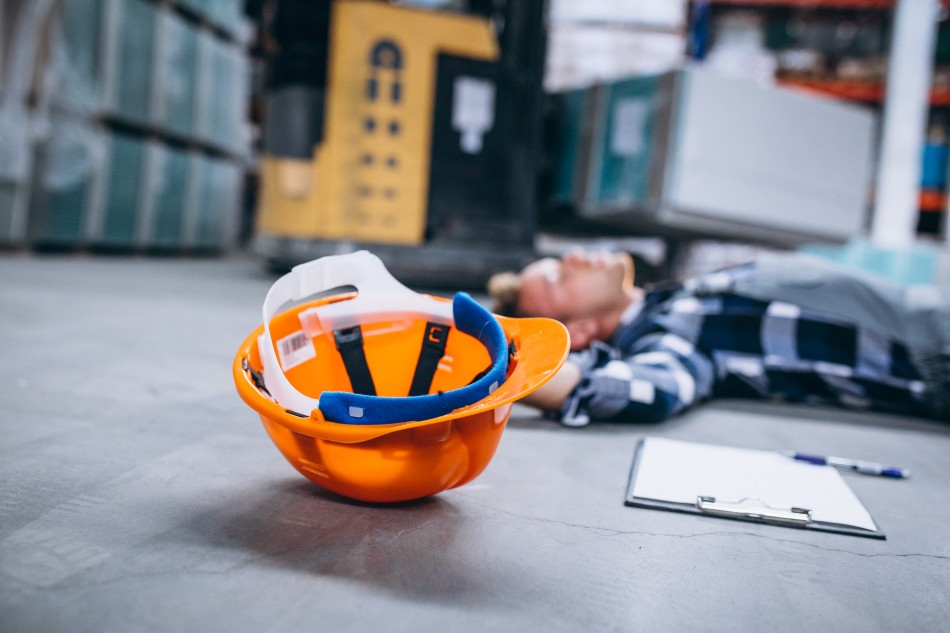
A workplace injury doesn’t always happen in a dramatic accident. Sometimes it is a sudden fall, a heavy object hitting you, or an equipment-related incident. Other times, pain develops gradually after weeks or months of repetitive lifting, standing, typing, reaching, or other physically demanding tasks. Regardless of how it happens, getting hurt at work can leave you wondering what to do next. Should you keep working? Should you report the injury? Do you need medical attention? How long will recovery take?
Knowing the appropriate steps can make the situation less overwhelming. Work injury treatment isn’t simply about treating pain. A proper evaluation can help identify the nature of the injury, determine what care may be appropriate, and support a safer return to normal activities.
First Things First: Don’t Ignore the Injury
One of the most common mistakes after a workplace injury is assuming that the problem will disappear on its own.
You might think:
- “It’s just a little back pain.”
- “I’ll feel better tomorrow.”
- “I don’t want to leave work.”
Sometimes symptoms are minor and improve quickly. But other injuries can become more difficult to manage when ignored.
Pay attention to symptoms such as:
- Persistent pain
- Swelling
- Bruising
- Limited movement
- Numbness or tingling
- Weakness
- Difficulty walking
- Joint instability
- Repeated headaches after an accident
- Pain that becomes worse with activity
If symptoms continue or interfere with your ability to work safely, a medical evaluation may be appropriate.
Workplace Injuries Come in Many Forms
A workplace injury isn’t limited to a broken bone. Different jobs create different risks.
1. Sprains and Strains
Sudden movements, lifting, pushing, pulling, or overexertion can injure muscles, tendons, or ligaments.
2. Back Injuries
Lifting heavy objects, repetitive bending, awkward positioning, and falls can contribute to back pain and other injuries.
3. Shoulder Injuries
Repetitive overhead movements, lifting, and sudden trauma can affect the shoulder.
4. Knee Injuries
Falls, twisting movements, prolonged kneeling, and physically demanding work can place stress on the knees.
5. Wrist and Hand Injuries
Repetitive movements, machinery, falls, and lifting can contribute to wrist and hand problems.
6. Cuts and Lacerations
Sharp tools, equipment, and workplace accidents can cause injuries that may require professional care.
7. Fractures
Falls, crushing injuries, and direct impacts can result in broken bones. Understanding the type of injury is important because treatment depends heavily on what structures have been affected.
Not Every Work Injury Happens All at Once
Some workplace conditions develop gradually. Consider someone whose job requires repetitive lifting every day. They may initially notice mild shoulder discomfort. Over time, the pain becomes more frequent until simple movements become difficult.
This type of problem can be just as important to evaluate as an obvious accident. Other examples of gradual work-related problems may include:
- Repetitive strain injuries
- Persistent back pain
- Joint pain
- Tendon problems
- Muscle overuse
- Wrist discomfort
- Neck and shoulder tension
If discomfort repeatedly appears during or after work, don’t automatically assume it’s simply part of the job.
What Should You Do Immediately After a Workplace Injury?
Your first priority should be your health and safety. If you’ve been injured:
1. Stop the Activity if Necessary
If continuing the task could make the injury worse, stop and move away from the source of danger when it is safe to do so.
2. Notify the Appropriate Person
Follow your workplace’s procedures for reporting injuries.
3. Pay Attention to Your Symptoms
Notice where the pain is located, how severe it is, and whether other symptoms develop.
4. Seek Medical Evaluation When Appropriate
Don’t delay medical care simply because the injury initially appears minor.
5. Follow Your Workplace’s Reporting Process
Workplace injury procedures can vary by employer and jurisdiction, so follow the applicable requirements and documentation process.
These steps can help create a clear record of what happened while ensuring that your injury receives appropriate attention.
Why Medical Evaluation Matters
A workplace injury can involve more than the area that initially hurts. For example, a person who falls may experience back pain but also have an underlying joint or soft-tissue injury.
During an evaluation, a healthcare provider may ask:
- How did the injury occur?
- When did it happen?
- Where does it hurt?
- Did the pain begin immediately?
- Has the pain changed?
- Can you move the affected area normally?
- Are you experiencing numbness or weakness?
- Have you experienced a similar injury before?
A physical examination may then be used to evaluate movement, strength, tenderness, swelling, and other signs. Depending on the injury, additional diagnostic testing may be considered.
When Pain Isn’t the Only Warning Sign
Pain gets most of the attention after an injury, but other symptoms can be equally important. Seek prompt medical evaluation when an injury is accompanied by symptoms such as:
- Significant swelling
- Loss of movement
- Severe weakness
- Numbness or loss of sensation
- Deformity
- Inability to put weight on a limb
- Heavy bleeding
- Severe or worsening pain
- Signs of infection around an open wound
More serious symptoms may require urgent or emergency care depending on their severity.
What Does Work Injury Treatment Look Like?
There isn’t a single treatment for every workplace injury. Your treatment plan depends on factors such as:
- Type of injury
- Severity
- Location
- How the injury occurred
- Your overall health
- Job requirements
- Previous injuries
- Recovery progress
Treatment may include approaches such as rest or activity modification, medication when appropriate, physical rehabilitation, supportive devices, wound care, or other interventions. The goal is to address the injury while helping you regain safe function.
Recovery Doesn’t Always Mean Staying Completely Still
For certain injuries, temporary rest may be important. However, prolonged inactivity isn’t necessarily the best approach for every condition. Once medically appropriate, gradual movement and rehabilitation may help restore:
- Strength
- Flexibility
- Balance
- Coordination
- Range of motion
- Functional ability
The right level of activity depends on the injury. Trying to do too much too soon can aggravate symptoms, while avoiding movement for too long may contribute to stiffness or weakness. A healthcare professional can help determine the appropriate progression.
Your Job Can Influence Your Recovery
Recovery isn’t the same for everyone because jobs aren’t the same. A warehouse worker may need to lift, carry, bend, and walk for most of the shift. An office employee may spend hours sitting and typing.
A healthcare worker may need to stand for long periods and assist patients physically. A construction worker may need to operate equipment or work at heights. Because job demands vary, returning to work should take your actual responsibilities into consideration.
Returning to Work After an Injury
Getting back to work is often an important part of recovery, but the timing should be based on your medical condition rather than simply how many days have passed since the injury.
Depending on the type of injury, you may be able to return gradually or with temporary adjustments to your normal duties. Your healthcare provider may consider factors such as:
- Pain levels
- Strength and mobility
- Ability to perform required tasks
- Risk of reinjury
- Physical demands of your position
- Whether symptoms are improving
- Your response to treatment
For some injuries, temporary restrictions may be recommended while healing continues.
Why Rushing Back Can Backfire
It’s understandable to want to return to your normal routine as quickly as possible. However, returning before an injury has adequately recovered may place additional stress on the affected area.
For example, returning to heavy lifting while dealing with a significant back injury could aggravate symptoms. Similarly, returning to repetitive wrist movements before an overuse injury has improved may prolong discomfort.
Recovery should be viewed as a process rather than a race. The goal is not simply to get back to work quickly. It is to return safely and reduce the likelihood of another injury.
What Temporary Work Restrictions Can Look Like
Depending on the injury, temporary modifications may involve:
- Limiting heavy lifting
- Reducing repetitive movements
- Taking additional breaks
- Avoiding prolonged standing
- Limiting climbing or bending
- Changing workstation setup
- Avoiding specific equipment
- Performing lighter duties temporarily
The appropriate restrictions depend on the individual’s medical condition and job responsibilities.
Any work restrictions should be determined and documented according to the applicable medical and workplace processes.
When an Injury Keeps Coming Back
A workplace injury that repeatedly returns deserves attention. You may notice that pain improves during days off but returns after several hours at work.
That pattern can suggest that a particular movement, position, workload, or ergonomic factor may be contributing to the problem. For recurring symptoms, consider discussing:
- Workstation setup
- Repetitive tasks
- Lifting technique
- Break frequency
- Equipment
- Posture
- Workload
- Previous injuries
Identifying contributing factors can be an important part of preventing another episode.
Work-Related Injury Treatment and Rehabilitation
For many musculoskeletal injuries, rehabilitation can play an important role in recovery. Depending on the condition, rehabilitation may focus on:
1. Restoring Mobility
Gentle movement and stretching may help improve flexibility when medically appropriate.
2. Building Strength
Strengthening surrounding muscles can improve support and function.
3. Improving Coordination
Certain exercises may help restore balance and controlled movement.
4. Returning to Functional Activities
Rehabilitation can gradually prepare you for the physical movements required by your job. The specific program should be based on the injury rather than following a generic exercise routine.
Preventing Another Workplace Injury
Once you’ve recovered, prevention becomes the next priority. Some useful strategies include:
1. Use Proper Lifting Techniques
Keep heavy objects close to your body, avoid unnecessary twisting, and use appropriate assistance for loads that are difficult to manage safely.
2. Take Breaks From Repetitive Tasks
Changing positions and taking appropriate breaks can reduce prolonged stress on specific muscles and joints.
3.Pay Attention to Ergonomics
A properly adjusted workstation can reduce unnecessary strain on the neck, shoulders, wrists, and back.
4. Use Appropriate Safety Equipment
Protective equipment should be used according to workplace safety requirements.
5. Don’t Ignore Early Symptoms
Mild discomfort can sometimes be an early warning that a task or movement is placing excessive stress on the body.
When a Work Injury Requires More Than Home Care
Some minor injuries may improve with basic supportive measures and appropriate rest. However, professional evaluation is particularly important when:
- Pain continues for several days
- Symptoms are getting worse
- You cannot perform normal job duties
- Movement is significantly restricted
- Swelling doesn’t improve
- You develop numbness or weakness
- You suspect a fracture
- An open wound isn’t healing properly
- Symptoms keep returning
Early evaluation can help determine whether additional treatment is needed.
Frequently Asked Questions (FAQs)
1. What is work injury treatment?
Work injury treatment refers to medical care provided for injuries or health problems related to workplace activities. Treatment depends on the type and severity of the injury and may include evaluation, medication when appropriate, rehabilitation, wound care, or other interventions.
2. What is considered a work-related injury?
A work-related injury can include an injury caused by a specific workplace accident as well as certain conditions that develop gradually because of repetitive work activities or occupational demands. The applicable definition can vary depending on workplace and legal requirements.
3. Should I report a workplace injury even if it seems minor?
Follow your employer’s injury-reporting procedures. Some injuries that initially appear minor may become more noticeable later, so documenting what happened according to workplace policy can be important.
4. How soon should I seek medical care after a work injury?
It depends on the injury. Severe pain, significant bleeding, deformity, loss of movement, numbness, weakness, or other concerning symptoms warrant prompt medical attention. Even less severe injuries should be evaluated if symptoms persist or interfere with normal activities.
5. Can I return to work while I’m still recovering?
Possibly. Some people can return with temporary modifications or restrictions, while others may need more time away from certain duties. Your healthcare provider can assess your condition and advise you about appropriate activity levels.
Don’t Let a Workplace Injury Become a Long-Term Problem
A workplace injury can affect much more than your ability to complete a shift. Pain can interfere with sleep, exercise, family activities, concentration, and everyday movement.
That’s why paying attention early matters. Whether the injury happened suddenly or developed gradually, recognizing symptoms and seeking appropriate work injury treatment can help you understand what is happening and determine the next steps toward recovery.
The right treatment depends on the individual injury, but the overall goal remains the same: restore function, manage symptoms, and help you return to your normal activities as safely as possible.
Visit Us
Visit our https://scclittleelm.com/our-services/occupational-health/ clinic today for professional and compassionate work injury treatment services. Our experienced healthcare team provides comprehensive evaluations, injury care, and personalized treatment plans to help address workplace injuries and support a safe recovery.
Contact us at (469) 200-5974 today to schedule your evaluation and learn more about our work-related injury treatment services. We’re committed to helping you understand your injury, manage your symptoms, and develop an appropriate plan that supports recovery and a safe return to your daily activities.