
For millions of people, pain isn’t just something they experience occasionally—it’s something they plan their lives around.
It starts with a sore back after a long day at work. A stiff shoulder that never seems to loosen up. Aching knees that make climbing stairs feel like a challenge. Maybe you’ve tried pain relievers, heating pads, massages, or weeks of rest, only to have the pain return as soon as you resume your normal routine. Over time, persistent pain begins affecting more than your body.
You may stop exercising because it hurts too much. You avoid playing with your children or grandchildren. Even simple tasks like driving, sleeping comfortably, or sitting through a work meeting become frustrating.
Many people assume their only options are stronger medications, injections, or surgery.
Fortunately, that’s not always the case.
Advances in medical technology have introduced non-invasive treatments that help reduce pain while encouraging the body’s natural healing process. One of the most promising options is laser treatment for pain, also known as cold laser pain treatment or low-level laser therapy (LLLT).
Unlike treatments that simply mask symptoms, cold laser therapy is designed to stimulate tissue repair, reduce inflammation, and support healing at the cellular level—all without surgery, needles, or lengthy recovery periods.
If you’ve been searching for a safer, drug-free way to manage ongoing discomfort, understanding how cold laser therapy works may help you decide whether it’s the right option for you.
What Is Cold Laser Pain Treatment?
Cold laser therapy is a non-invasive medical treatment that uses low-intensity light energy to stimulate healing within damaged tissues. Unlike surgical lasers that generate heat to cut or remove tissue, cold lasers produce low levels of light that penetrate beneath the skin without causing burns or damage.
The light energy reaches injured cells and helps improve their ability to repair themselves more efficiently. Because no incisions or injections are involved, many patients appreciate that treatment is:
- Painless
- Drug-free
- Non-surgical
- Quick
- Safe for most patients
- Performed in an outpatient setting
The goal is not simply to reduce pain temporarily but to support the body’s natural healing response.
How Does Laser Treatment for Pain Work?
Every cell in your body requires energy to function properly.
When tissues become injured or inflamed, normal cellular activity slows down, delaying healing.
Cold laser therapy delivers specific wavelengths of light that are absorbed by the cells, particularly the mitochondria—the “powerhouses” responsible for producing cellular energy.
This process helps increase the production of ATP (adenosine triphosphate), the energy source cells use to repair themselves.
As cellular activity improves, the body may experience:
- Reduced inflammation
- Improved circulation
- Faster tissue repair
- Better oxygen delivery
- Reduced muscle tension
- Decreased pain signals
- Enhanced healing of soft tissues
Rather than masking discomfort, laser therapy works by supporting the body’s own healing mechanisms.
Conditions That May Benefit from Cold Laser Therapy
Cold laser therapy is used to help manage a wide variety of musculoskeletal and soft tissue conditions.
Depending on your diagnosis, your healthcare provider may recommend laser treatment for pain as part of a comprehensive treatment plan.
1. Neck Pain
Long hours spent working at a computer, poor posture, muscle strain, or degenerative conditions can all contribute to chronic neck pain.
Cold laser therapy may help reduce inflammation, improve muscle relaxation, and ease stiffness, making daily movements more comfortable.
2. Lower Back Pain
Back pain is one of the leading reasons people seek medical care.
Whether caused by muscle strain, ligament injury, repetitive movements, or chronic inflammation, laser therapy may help support tissue healing while reducing discomfort. Many patients combine laser therapy with stretching, physical therapy, and strengthening exercises for the best results.
3. Shoulder Injuries
Shoulder pain often develops after repetitive overhead movements, sports injuries, or rotator cuff problems.
Cold laser therapy may assist in reducing inflammation around tendons and muscles while supporting the healing process.
4. Knee Pain
People with arthritis, ligament sprains, tendon irritation, or overuse injuries often experience pain that limits walking and exercise. Laser therapy may help improve mobility while decreasing inflammation surrounding the joint.
5. Arthritis
Although arthritis cannot be cured, reducing inflammation can make daily activities much easier. Many patients use laser therapy alongside other treatments to help manage:
- Joint stiffness
- Morning pain
- Swelling
- Limited mobility
6. Sports Injuries
Athletes frequently experience:
- Muscle strains
- Ligament sprains
- Tendon injuries
- Overuse conditions
Cold laser therapy may help accelerate recovery, allowing athletes to return to training with appropriate rehabilitation.
7. Tendonitis
Inflamed tendons commonly affect areas such as:
- Elbows
- Shoulders
- Knees
- Ankles
- Wrists
Laser therapy may reduce inflammation while encouraging healthy tissue repair.
8. Plantar Fasciitis
Heel pain caused by plantar fasciitis can make every step uncomfortable, particularly first thing in the morning. Laser therapy may help reduce inflammation in the plantar fascia while supporting recovery alongside stretching exercises and supportive footwear.
What Happens During a Cold Laser Therapy Session?
One of the reasons many patients choose cold laser therapy is because treatment is simple, comfortable, and doesn’t require any downtime.
A typical appointment begins with a discussion about your symptoms, medical history, and treatment goals.
Once the painful area has been identified:
- You’ll be positioned comfortably.
- The treatment area may be exposed for better access.
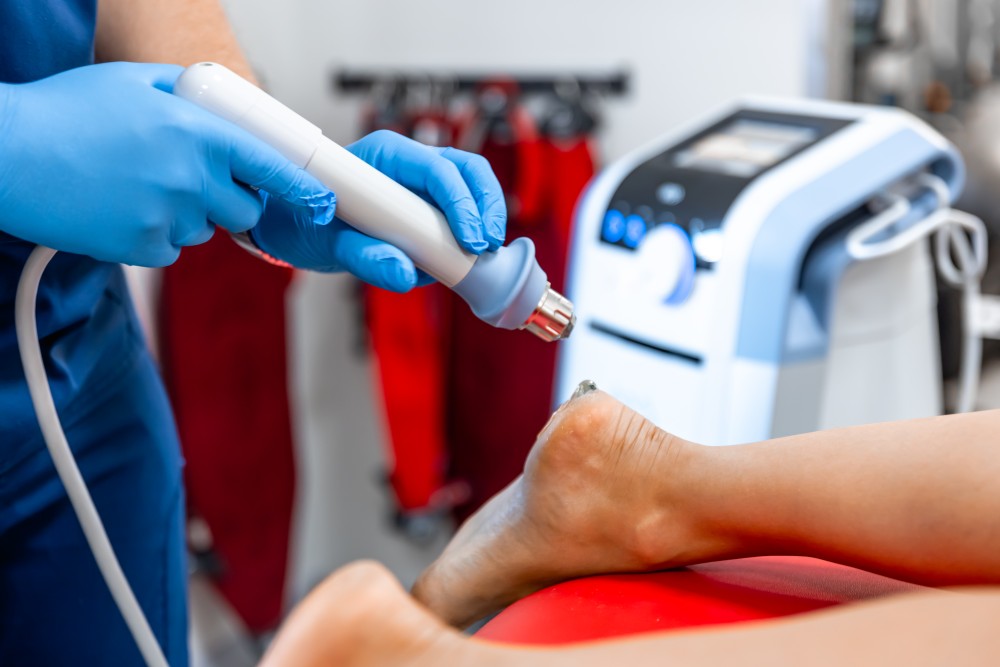
- A handheld laser device is placed over the affected area.
- The device delivers low-level light energy to the injured tissues.
- Treatment usually lasts only a few minutes, depending on the size and location of the area being treated.
Most patients report feeling little to no discomfort during the procedure. Some experience a mild warming sensation or gentle tingling, while many feel nothing at all.
Because there are no incisions, injections, or anesthesia involved, you can typically return to your normal daily activities immediately after your appointment.
Who Is a Good Candidate for Laser Treatment for Pain?
Cold laser therapy may be appropriate for individuals experiencing:
- Chronic joint pain
- Muscle strains
- Tendon injuries
- Ligament sprains
- Arthritis-related discomfort
- Sports injuries
- Neck pain
- Back pain
- Shoulder pain
- Knee pain
- Repetitive stress injuries
- Soft tissue inflammation
However, not every type of pain responds to laser therapy in the same way.
A thorough evaluation helps determine whether this treatment is suitable for your condition or whether other therapies should be considered as part of your recovery plan.
Benefits of Cold Laser Pain Treatment
One of the biggest reasons patients choose laser treatment for pain is that it focuses on helping the body recover naturally rather than simply covering up symptoms with medication.
While results vary depending on the condition being treated, many patients notice improvements in both pain levels and daily function after completing their recommended treatment plan.
1. Reduces Pain Naturally
Pain often develops because injured tissues become inflamed, irritated, or damaged. Cold laser therapy works by stimulating cellular repair and reducing inflammation, which may help relieve discomfort without relying solely on pain medications.
For many patients, this means being able to perform everyday activities with greater comfort.
2. Decreases Inflammation
Inflammation is the body’s natural response to injury, but when it persists, it can delay healing and cause ongoing pain. Cold laser therapy helps improve circulation and cellular function, which may reduce swelling around muscles, tendons, ligaments, and joints.
Less inflammation often translates into less stiffness and improved mobility.
3. Supports Faster Healing
Unlike treatments that only mask symptoms, cold laser therapy encourages damaged tissues to repair themselves. By increasing cellular energy production, the body can more efficiently repair injured muscles, ligaments, tendons, and other soft tissues.
This makes laser therapy a valuable option for many acute injuries as well as chronic pain conditions.
4. Improves Mobility
When pain decreases, movement usually improves.
Many patients find it easier to:
- Walk comfortably
- Climb stairs
- Lift objects
- Exercise
- Return to work
- Sleep more comfortably
- Perform household chores
Improved movement also helps reduce muscle weakness that often develops when pain limits activity.
5. Non-Invasive and Comfortable
Unlike surgery, cold laser therapy doesn’t involve:
- Incisions
- Needles
- Stitches
- General anesthesia
- Hospital stays
Most treatment sessions are completed in just a few minutes, allowing patients to continue with their normal daily schedule afterward.
6. Can Be Combined with Other Treatments
Cold laser therapy often works best as part of a comprehensive treatment plan. Depending on your condition, your healthcare provider may combine it with:
- Physical therapy
- Stretching exercises
- Strengthening programs
- Manual therapy
- Lifestyle modifications
- Weight management
- Ergonomic recommendations
Using multiple therapies together often produces better long-term outcomes than relying on a single treatment alone.
Are There Any Risks?
Cold laser therapy has been used for many years and is generally considered safe when performed by trained healthcare professionals. Because it uses low-level light rather than heat, patients typically experience little to no discomfort during treatment.
However, as with any medical treatment, your provider will first determine whether it’s appropriate for your specific condition. Certain medical situations may require alternative treatment approaches, which is why a professional evaluation is always recommended before beginning therapy.
How Many Treatments Will I Need?
This is one of the most common questions patients ask. The answer depends on several factors, including:
- The type of injury
- How long you’ve had pain
- The severity of inflammation
- Your overall health
- Your body’s healing response
- Whether the condition is acute or chronic
Someone with a recent muscle strain may notice improvement after only a few sessions, while a person managing long-standing arthritis or chronic back pain may benefit from a longer treatment plan.
Your healthcare provider will recommend a schedule that’s tailored to your condition and monitor your progress along the way.
Tips to Get the Best Results from Cold Laser Therapy
While the therapy itself plays an important role, your daily habits also influence recovery. To support healing:
- Attend all scheduled treatment sessions.
- Follow your rehabilitation or exercise program.
- Stay physically active within your provider’s recommendations.
- Maintain good posture during work and daily activities.
- Avoid movements that repeatedly aggravate the injured area.
- Stay well hydrated.
- Eat a balanced diet that supports tissue repair.
- Get enough sleep to allow your body to recover.
Consistent treatment combined with healthy lifestyle choices often leads to better long-term results.
Frequently Asked Questions (FAQs)
1. Does cold laser pain treatment hurt?
No. Most patients find cold laser therapy completely comfortable. Unlike surgical lasers, cold lasers do not generate enough heat to burn or damage tissue. During treatment, you may feel a mild warming sensation or slight tingling, but many patients don’t feel anything at all. The procedure is non-invasive, requires no anesthesia, and allows you to return to your normal routine immediately afterward.
2. How long does a laser therapy session take?
Most sessions last between 10 and 20 minutes, depending on the size of the treatment area and the condition being treated. Because the procedure is quick and doesn’t involve recovery time, many patients schedule appointments during a lunch break or between daily activities.
3. Is cold laser therapy safe?
Yes. Cold laser therapy is generally considered safe when performed by qualified healthcare professionals using approved medical equipment. Since it uses low-level light energy rather than heat, it doesn’t damage healthy tissues. Your provider will review your medical history to determine whether it’s appropriate for your specific condition and treatment goals.
4. What conditions can laser treatment for pain help manage?
Cold laser therapy may be recommended for a wide range of musculoskeletal conditions, including back pain, neck pain, arthritis, tendonitis, muscle strains, ligament sprains, sports injuries, shoulder pain, knee pain, plantar fasciitis, and repetitive stress injuries. Your provider will determine whether it’s suitable based on your diagnosis and overall health.
5. How soon will I notice the results?
Some patients notice reduced pain or improved mobility after their first few sessions, while others experience gradual improvement over several weeks. Recovery depends on factors such as the severity of your condition, how long you’ve had symptoms, your body’s natural healing response, and whether you follow your complete treatment plan, including rehabilitation exercises if recommended.
Conclusion
Living with ongoing pain can affect every part of your life—from your ability to work and exercise to enjoying time with family and getting a good night’s sleep. While medications may temporarily ease discomfort, they don’t always address the underlying cause of the problem.
Laser treatment for pain, including cold laser pain treatment, offers a modern, non-invasive approach that supports your body’s natural healing process. By helping reduce inflammation, improving circulation, and encouraging tissue repair, it can become an important part of a personalized pain management plan for many muscle, joint, and soft tissue conditions.
If persistent pain is limiting your daily activities, don’t assume you have to live with it. A professional evaluation can determine whether cold laser therapy is the right option to help you move more comfortably, recover more effectively, and return to the activities you enjoy.
Visit Us
Visit our https://scclittleelm.com/our-services/laser-pain-treatment/ clinic today to learn more about laser treatment for pain and discover whether cold laser pain treatment is right for you. Our experienced healthcare team provides comprehensive evaluations and personalized treatment plans designed to reduce pain, improve mobility, and support long-term recovery without surgery.
Contact us at (469) 200-5974 today to schedule your consultation. We’re committed to helping you find safe, effective, and personalized solutions for chronic and acute pain so you can get back to living life with greater comfort and confidence.