
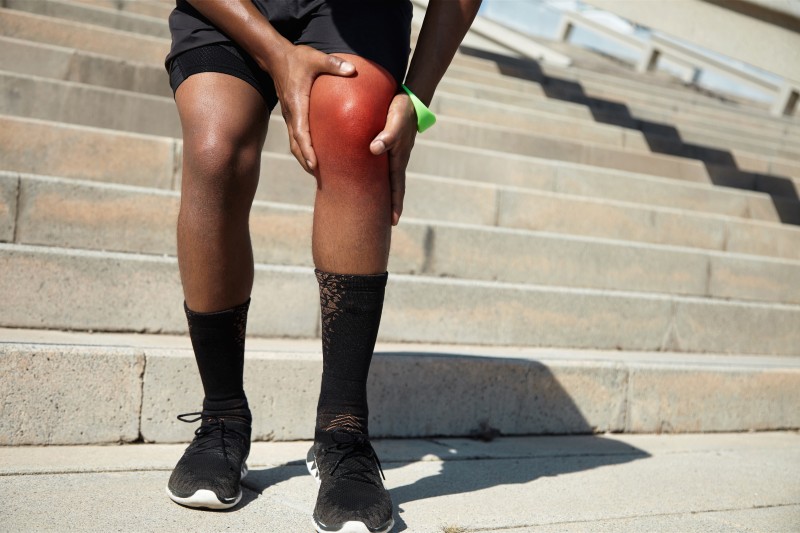
It doesn’t always take a serious accident to injure your knee.
You step off a curb awkwardly while looking at your phone. During a weekend basketball game, you pivot too quickly and feel a sudden twinge. While carrying groceries, you slip on a wet floor and catch yourself before falling but your knee doesn’t feel quite right afterward.
At first, you think it’s nothing more than a sore muscle. You tell yourself that a day or two of rest will fix it. But then the pain lingers. Walking upstairs becomes uncomfortable. Getting out of your car feels stiff. Kneeling to tie your shoes or play with your children suddenly isn’t as easy as it was a few days ago. These situations are surprisingly common.
Many people dismiss minor knee injuries because they can still walk, assuming the injury isn’t serious. However, even a mild sprain or soft tissue injury can interfere with your daily routine and, if left untreated, may lead to ongoing pain or instability.
Understanding the signs of a minor knee injury, knowing when home care is enough, and recognizing when professional medical evaluation is needed can help you recover safely and return to your normal activities sooner.
Why the Knee Is So Vulnerable to Injury
The knee is one of the largest and hardest-working joints in the human body.
Every time you stand, walk, climb stairs, run, jump, squat, or simply get up from a chair, your knees absorb and distribute a significant amount of force.
To perform these movements smoothly, the knee relies on several structures working together:
- Bones
- Cartilage
- Ligaments
- Tendons
- Muscles
- Menisci (cartilage cushions)
- Bursa (fluid-filled sacs that reduce friction)
Because the knee bears so much weight while remaining highly mobile, even a small twist, sudden stop, or awkward movement can strain these structures and lead to injury.
What Are Minor Knee Injuries?
Minor knee injuries involve damage to the soft tissues or supporting structures of the knee without severe fractures or major ligament tears.
Although they’re often less serious than major orthopedic injuries, they can still cause considerable discomfort and temporarily limit your mobility.
Common examples include:
- Mild ligament sprains
- Muscle strains around the knee
- Tendon irritation
- Minor meniscus irritation
- Knee bruises (contusions)
- Mild bursitis
- Overuse injuries
- Patellar tendon irritation
With proper diagnosis and early treatment, most minor knee injuries heal successfully without surgery.
Common Causes of Minor Knee Injuries
Understanding how knee injuries occur can help you both recognize symptoms early and reduce your risk in the future.
1. Sports and Recreational Activities
Many knee injuries happen during activities that involve sudden changes in direction, jumping, or quick stops.
Common sports include:
- Basketball
- Soccer
- Tennis
- Running
- Volleyball
- Hiking
- Pickleball
Even recreational athletes can overstretch muscles or ligaments during routine play.
2. Slips, Trips, and Falls
A simple slip on a wet floor or missing a step while walking downstairs can place unexpected stress on the knee.
Even if you don’t fall completely, twisting your leg while trying to regain balance may injure the supporting ligaments or tendons.
3. Repetitive Movements
Certain occupations and hobbies require repeated bending, kneeling, squatting, or climbing. Examples include:
- Construction work
- Plumbing
- Gardening
- Flooring installation
- Warehouse work
- House cleaning
Over time, repetitive stress can irritate tendons and soft tissues around the knee.
4. Everyday Activities
Not every knee injury happens during exercise. Many patients develop pain after everyday movements such as:
- Carrying heavy boxes
- Getting in and out of a vehicle
- Lifting children
- Climbing stairs repeatedly
- Standing for long periods
- Walking on uneven ground
Sometimes a combination of muscle fatigue and an awkward movement is enough to trigger an injury.
Symptoms You Shouldn’t Ignore
Minor knee injuries often produce symptoms that gradually worsen over the first day or two.
Common warning signs include:
1. Pain During Movement
Pain may occur while walking, climbing stairs, kneeling, or bending the knee. The discomfort may initially seem mild but become more noticeable with continued activity.
2. Swelling
Swelling often develops within several hours after an injury. Even mild swelling indicates that the tissues inside or around the joint have become irritated.
3. Stiffness
Many people notice stiffness after sitting for extended periods or first thing in the morning. The knee may loosen slightly with movement before becoming sore again later.
4. Tenderness
Touching specific areas around the knee may produce discomfort, especially near injured ligaments, tendons, or bruised tissues.
5. Mild Instability
Some patients describe the sensation that the knee “doesn’t feel trustworthy” or feels slightly weak while walking. Although the knee may not completely give way, this feeling should not be ignored.
6. Reduced Range of Motion
Bending or straightening the knee completely may become uncomfortable due to pain or swelling. Limited movement often makes everyday activities more difficult.
When Should You See a Healthcare Provider?
Many minor knee injuries improve with rest and basic home care. However, medical evaluation is recommended if:
- Pain lasts longer than several days.
- Swelling continues to increase.
- Walking becomes difficult.
- Your knee repeatedly gives way.
- You cannot fully bend or straighten your knee.
- Pain interferes with work or daily activities.
- Symptoms return every time you become active.
- You heard a popping sound when the injury occurred.
Seeking medical care early can help identify the exact cause of your symptoms before a small problem develops into a more significant injury.
How Minor Knee Injuries Are Diagnosed
An accurate diagnosis begins with understanding how the injury happened. Your healthcare provider will ask questions such as:
- When did the pain begin?
- Did you hear or feel a pop?
- What activity caused the injury?
- Where is the pain located?
- Is the knee swelling?
- Can you bear weight comfortably?
- Have you injured this knee before?
Next, a physical examination helps assess:
- Swelling
- Tenderness
- Joint stability
- Range of motion
- Muscle strength
- Walking pattern
- Ligament function
If needed, imaging studies may be recommended.
X-rays help rule out fractures and evaluate joint alignment, while MRI may be used when ligament, tendon, cartilage, or meniscus injuries are suspected.
A thorough evaluation ensures that treatment addresses the true source of your knee pain rather than simply masking the symptoms.
Treatment Options for Minor Knee Injuries
Hearing that you have a “minor” knee injury can be reassuring—but that doesn’t mean it should be ignored. Without proper care, even a mild sprain or soft tissue injury can take longer to heal, increase your risk of reinjury, or lead to chronic discomfort that affects your everyday life.
The right treatment depends on the type of injury, its severity, your activity level, and your overall health. Fortunately, most minor knee injuries respond well to conservative, non-surgical treatment.
1. Rest and Activity Modification
The first step in recovery is giving the injured tissues time to heal. This doesn’t necessarily mean complete bed rest. In fact, prolonged inactivity may lead to joint stiffness and muscle weakness.
Instead, your healthcare provider may recommend temporarily avoiding activities that place excessive stress on the knee, such as:
- Running
- Jumping
- Squatting
- Heavy lifting
- High-impact sports
- Climbing stairs repeatedly
As your symptoms improve, you’ll gradually return to normal activities under medical guidance.
2. Ice Therapy
Applying ice during the first 24 to 48 hours after an injury can help reduce swelling and relieve pain.
A cold pack wrapped in a towel may be applied for 15 to 20 minutes several times throughout the day. Avoid placing ice directly on the skin to prevent cold-related skin injuries.
3. Compression and Elevation
Compression bandages or knee sleeves may help reduce swelling while providing gentle support to the joint. Keeping your leg elevated above heart level whenever possible also helps decrease fluid buildup and improve comfort during the early stages of recovery.
4. Pain Management
Depending on your symptoms, your healthcare provider may recommend medications to reduce pain and inflammation. These medications should be used according to medical advice and are generally most effective when combined with rest, rehabilitation, and activity modification rather than being relied upon alone.
5. Physical Therapy
One of the most important parts of recovery is restoring normal knee function. Physical therapy helps:
- Improve flexibility
- Restore range of motion
- Strengthen muscles surrounding the knee
- Improve balance
- Enhance joint stability
- Reduce the risk of future injuries
A therapist will create an individualized rehabilitation program based on your injury and lifestyle.
Patients who complete rehabilitation exercises are often less likely to experience recurring knee problems.
6. Knee Braces
For certain ligament sprains or mild instability, your provider may recommend wearing a knee brace.
Braces can:
- Provide additional support
- Reduce painful movements
- Improve confidence while walking
- Protect healing tissues during recovery
The type of brace depends on the specific injury and should be selected based on your provider’s recommendations.
Tips to Prevent Future Knee Injuries
Although not every injury can be avoided, healthy habits can significantly reduce your risk. Consider these practical strategies:
- Warm up before exercising.
- Stretch regularly to maintain flexibility.
- Strengthen your leg and core muscles.
- Wear supportive footwear appropriate for your activity.
- Replace worn-out athletic shoes.
- Increase exercise intensity gradually rather than suddenly.
- Use proper lifting techniques.
- Maintain a healthy body weight to reduce stress on the knees.
- Take breaks during repetitive kneeling or squatting tasks.
- Listen to your body and avoid pushing through persistent pain.
Small preventive measures often make a significant difference over time.
When Delaying Treatment Can Cause Bigger Problems
One of the biggest mistakes people make is assuming they can simply “walk it off.” While some soreness improves with rest, ongoing pain should never be ignored.
Continuing normal activities despite an untreated knee injury may result in:
- Chronic pain
- Repeated swelling
- Joint instability
- Muscle weakness
- Reduced mobility
- Greater risk of additional ligament or cartilage damage
- Longer recovery time
Seeking medical evaluation early often leads to a faster recovery and helps prevent minor injuries from becoming long-term orthopedic problems.
Frequently Asked Questions (FAQs)
1. How do I know if my knee injury is minor or serious?
A minor knee injury usually causes mild to moderate pain, slight swelling, and temporary stiffness, but you can often still bear weight on the leg. However, severe pain, an inability to walk, significant swelling, visible deformity, or the feeling that your knee is giving out may indicate a more serious injury such as a ligament tear or fracture. A medical evaluation is the best way to determine the severity of your injury and ensure you receive the appropriate treatment.
2. How long does it take for a minor knee injury to heal?
Recovery depends on the type of injury and how well you follow your treatment plan. Mild sprains or strains often improve within a few weeks, while some soft tissue injuries may take six weeks or longer. Factors such as age, overall health, activity level, and rehabilitation exercises can all influence healing time. Returning to strenuous activity too soon may delay recovery or increase the risk of reinjury.
3. Should I keep walking on a minor knee injury?
Light walking may be acceptable if it doesn’t significantly increase your pain, but you should avoid activities that worsen your symptoms. Continuing to run, jump, or participate in sports before your knee has healed can place additional stress on injured tissues. Your healthcare provider can recommend when it’s safe to gradually resume normal activities.
4. When should I see a doctor for knee pain?
You should seek medical care if your knee pain lasts more than a few days, swelling continues to worsen, you cannot fully bend or straighten your knee, walking becomes difficult, or the injury occurred after a significant fall or twisting movement. Early diagnosis helps prevent complications and supports a safer recovery.
5. Will I need surgery for a minor knee injury?
Most minor knee injuries heal successfully without surgery. Rest, physical therapy, activity modification, bracing, and pain management are often enough to restore function. Surgery is generally reserved for more severe injuries involving major ligament tears, unstable fractures, or significant cartilage damage that cannot heal with conservative treatment.
Conclusion
Your knees support nearly every movement you make, from walking and climbing stairs to exercising and simply standing up from a chair. Even minor knee injuries can interfere with your daily routine, limit your mobility, and become more serious if they’re ignored.
The encouraging news is that most minor knee injuries respond well to early diagnosis, appropriate treatment, and a personalized rehabilitation plan. Whether your pain is caused by a mild sprain, strain, overuse, or a soft tissue injury, taking action early can help relieve discomfort, restore normal movement, and reduce the risk of long-term complications.
If your knee pain isn’t improving or is preventing you from enjoying your normal activities, don’t wait for it to worsen. Seeking professional medical care can help you recover safely and confidently return to the activities you enjoy.
Visit Us
Visit our https://scclittleelm.com/our-services/minor-injury/ clinic today for expert evaluation and treatment of minor knee injuries. Our experienced orthopedic providers offer comprehensive assessments, personalized treatment plans, rehabilitation guidance, and compassionate care to help relieve pain, restore mobility, and support a safe recovery.
Contact us at (469) 200-5974 today to schedule your appointment. Whether you’ve experienced a sports injury, an awkward fall, or persistent knee pain from everyday activities, our team is here to provide the expert care you need to get back on your feet with confidence.