
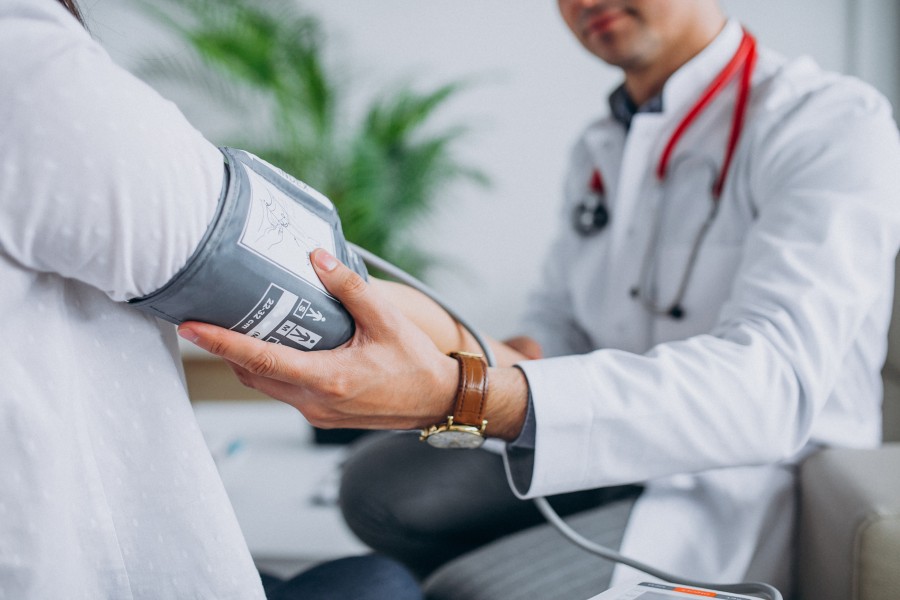
For a commercial driver, a routine doctor’s appointment can have an impact far beyond personal health. A driver’s ability to safely operate a commercial motor vehicle depends partly on meeting applicable medical qualification requirements. That’s why a DOT physical exam is an important part of staying medically qualified for certain commercial driving work.
The exam isn’t designed simply to determine whether someone feels healthy. It evaluates whether a driver meets the applicable physical qualification standards for operating a commercial motor vehicle. The Federal Motor Carrier Safety Administration (FMCSA) requires covered interstate commercial drivers to maintain a valid Medical Examiner’s Certificate, commonly called a medical card.
Understanding what happens during the appointment can make the process less stressful and help drivers arrive prepared.
What Is a DOT Physical Exam?
A DOT physical exam is a medical examination used to determine whether a commercial motor vehicle driver meets applicable federal physical qualification standards.
For interstate commercial drivers covered by FMCSA requirements, the examination must be performed by a medical examiner listed on the FMCSA National Registry of Certified Medical Examiners. The purpose is not simply to identify illness. The medical examiner considers whether a driver’s health could affect their ability to safely perform the driving job.
The examination can involve reviewing areas such as:
- Vision
- Hearing
- Blood pressure
- Cardiovascular health
- Respiratory health
- Neurological health
- Musculoskeletal function
- Medication use
- Medical history
- Other conditions relevant to safe driving
FMCSA’s physical qualification standards cover multiple areas related to the driver’s ability to operate a commercial vehicle safely.
What Happens During a DOT Medical Exam?
A commercial driver physical generally begins with a review of your medical history and health information before moving into the physical examination.
1. Medical History Review
The examiner may ask about current and previous medical conditions, surgeries, medications, injuries, and other relevant health information.
Be honest and thorough. Bringing a complete medication list can make this portion much easier. You may also need additional documentation if you have a medical condition that requires further evaluation or supporting information.
2. Vision and Hearing Evaluation
Vision and hearing are important parts of commercial driving safety. The examination includes evaluation of these functions according to applicable requirements. If there is a concern about meeting a particular standard, additional documentation or evaluation may be necessary depending on the circumstances.
This is one reason drivers should not wait until the last possible day to schedule their examination.
3. Blood Pressure and Pulse
Blood pressure is commonly checked during a DOT physical. An elevated reading doesn’t automatically mean that a driver cannot qualify. However, blood pressure can affect the medical examiner’s certification decision and may lead to additional monitoring depending on the circumstances.
FMCSA notes that a medical certificate may sometimes be issued for less than the maximum certification period when monitoring a health condition is appropriate.
4. Physical Examination
The medical examiner performs a physical evaluation based on the applicable requirements.
Height and weight are recorded, and the examination considers relevant body systems and physical findings. The goal is to identify conditions that could affect a driver’s ability to safely perform commercial driving duties.
5. Medical Certification Decision
After reviewing the examination and available information, the medical examiner determines whether the driver meets the applicable medical qualification requirements.
If the driver is found physically qualified, the medical examiner completes the Medical Examiner’s Certificate, also known as Form MCSA-5876.
What Should You Bring to a DOT Physical?
One of the easiest ways to make your appointment smoother is to arrive prepared.Bring:
- Current driver’s license or identification
- List of prescription medications
- Names and dosages of medications
- Information about existing medical conditions
- Relevant medical records
- Glasses or contact lenses, if you use them
- Hearing aids, if applicable
- Recent test results when relevant
- Documentation from treating specialists when requested
- Any required medical forms
If another healthcare provider manages a condition that may be relevant to your CDL physical exam, ask in advance whether you should bring supporting documentation.
This can help prevent unnecessary delays caused by missing information.
Why Certain Health Conditions Receive Extra Attention
A DOT examination is a fitness-for-duty evaluation, so certain medical conditions may require closer review. For example, conditions involving cardiovascular health, neurological function, vision, hearing, respiratory function, or blood pressure can be relevant to safe commercial driving.
That doesn’t mean having a medical condition automatically prevents someone from driving commercially. The medical examiner evaluates the individual circumstances and applicable requirements. Some situations may involve additional documentation, specialist evaluation, or a federal exemption or variance process. FMCSA provides specific resources for medical exemptions and related qualification issues.
This is why drivers should avoid assuming they will automatically pass or fail based solely on having a particular diagnosis.
How a Yearly Physical Exam Can Support Long-Term Driver Health
A yearly physical exam and a DOT medical examination are not necessarily the same thing. A DOT examination focuses on medical qualification for commercial driving. A routine yearly health examination is broader and may focus on preventive healthcare, personal health goals, screening needs, and management of ongoing conditions.
Keeping up with regular healthcare can help drivers become more aware of health issues before they interfere with work or daily life.
For example, a driver who rarely checks their blood pressure may discover during routine healthcare that their readings are consistently higher than expected. Addressing that concern early can be better than waiting until it becomes a problem during a required medical examination.
Regular healthcare may also provide an opportunity to discuss:
- Nutrition
- Sleep habits
- Physical activity
- Weight management
- Medication use
- Stress
- Preventive screenings
- Chronic condition management
For people who spend long hours sitting behind the wheel, these conversations can be especially relevant.
Common Mistakes Drivers Make Before a DOT Physical
1. Waiting Until the Last Minute
Scheduling too close to your certification expiration date can create unnecessary pressure, especially if additional information is needed.
2. Forgetting Medication Information
Don’t rely on memory. Bring an accurate list with medication names and dosages.
3. Assuming a Health Condition Automatically Means Disqualification
Medical qualification is based on applicable standards and the medical examiner’s assessment. Don’t make assumptions based on stories from other drivers.
4. Ignoring Routine Health Concerns
A DOT exam should not be the only time you pay attention to your health. Regular healthcare can help you identify and address concerns throughout the year.
5. Not Bringing Supporting Documentation
If you have a condition managed by another healthcare professional, ask whether relevant records or documentation may be needed for the examination.
How Long Is a DOT Medical Certificate Valid?
A DOT medical certificate can be valid for up to 24 months when the driver meets the applicable requirements and there is no reason for a shorter certification period. A medical examiner may issue a certificate for a shorter period when closer monitoring of a health condition is appropriate. Drivers should pay attention to the expiration date on their certificate and arrange their next examination in advance.
Requirements can also vary depending on the type of commercial driving and whether federal or state-specific requirements apply. FMCSA advises drivers to understand their applicable medical certification and self-certification responsibilities.
Frequently Asked Questions (FAQs)
1. What is a DOT physical exam?
A DOT physical exam is a medical examination used to determine whether a commercial driver meets applicable physical qualification requirements for operating a commercial motor vehicle.
2. How often do you need a DOT physical?
A medical certificate may be issued for up to 24 months when the driver meets the applicable requirements and no shorter certification period is necessary. Some drivers may receive a shorter certification period because a health condition requires monitoring.
3. What should I bring to a DOT physical?
Bring identification, your current medication list, relevant medical records, information about existing conditions, and any supporting documentation that may help the medical examiner evaluate your health.
4. Can high blood pressure affect a DOT physical?
Blood pressure is evaluated during the examination. Elevated blood pressure can affect the certification decision or result in a shorter certification period depending on the circumstances and the medical examiner’s assessment.
5. Does having a medical condition automatically disqualify a commercial driver?
Not necessarily. Qualification depends on the applicable medical standards and individual circumstances. Some conditions may require additional documentation, evaluation, or a specific exemption or variance process.
Conclusion
A DOT physical exam is an important part of maintaining medical qualification for many commercial drivers, but it can also serve as a useful reminder to take everyday health seriously.
Preparing your medical information, understanding what the examination evaluates, and scheduling ahead of your certificate’s expiration can make the process considerably easier. More importantly, maintaining regular healthcare throughout the year can help you address health concerns before they become obstacles to your work or quality of life.
Visit Us
Visit our https://scclittleelm.com/our-services/physicals/ clinic today for comprehensive DOT physical exam services designed to help commercial drivers complete their required medical evaluation with confidence. Our healthcare team can review your health information, perform the appropriate examination, and help you understand the next steps based on your individual situation.
You can also stay proactive about your overall health with a yearly physical exam, preventive healthcare, and routine medical care. Contact (469) 200-5974 to schedule your appointment and speak with our healthcare team about your DOT and general health needs.