
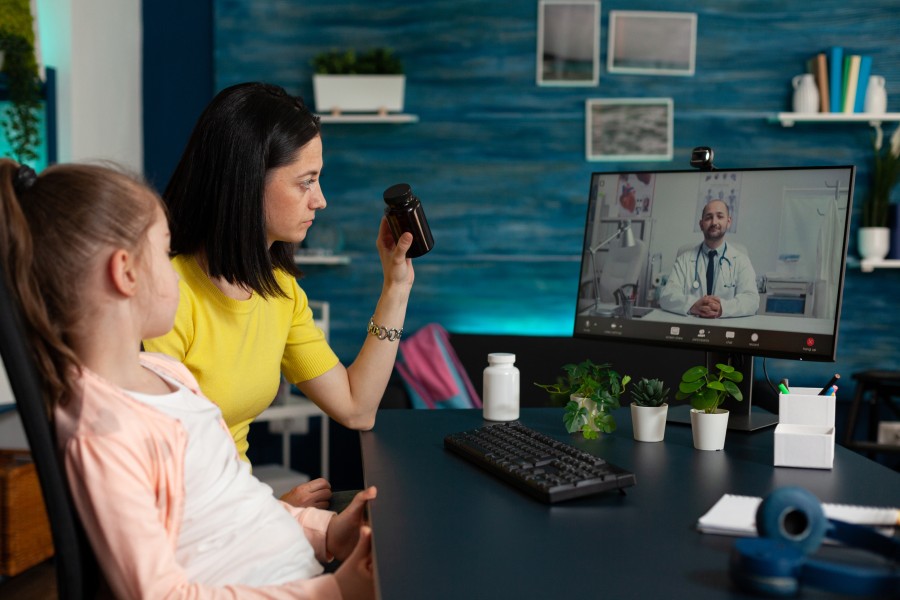
For many people, finding time for a doctor’s appointment can be almost as difficult as dealing with the health concern itself. Work schedules, family responsibilities, transportation, and long waiting times can make routine healthcare easy to postpone.
That’s one reason virtual primary care has become a practical option for many everyday healthcare needs. Instead of traveling to a medical office for every appointment, patients can connect with a healthcare provider through a secure online visit. A conversation about medications, follow-up care, certain symptoms, or ongoing health concerns may sometimes be handled without an office visit.
However, virtual healthcare is not simply a traditional appointment moved onto a computer screen. It works best when patients understand what can be handled remotely, what information they should provide, and when an in-person examination is the better choice.
What Is Virtual Primary Care?
Virtual primary care is a form of healthcare that allows patients to communicate with a primary care provider remotely through a secure digital platform.
The purpose remains much the same as traditional primary care: understanding a patient’s health concerns, reviewing relevant medical information, providing appropriate guidance, and determining the next step in care.
Depending on the patient’s needs, an online appointment may include:
- Discussing new or ongoing symptoms
- Reviewing medications
- Talking about possible medication side effects
- Discussing chronic health conditions
- Reviewing available test results
- Following up after previous treatment
- Discussing preventive healthcare
- Addressing certain minor illnesses
- Discussing lifestyle and wellness concerns
The important distinction is that virtual care does not attempt to replace every in-person medical service. Instead, it provides another way to access primary care services when a physical examination is not immediately necessary.
How Does a Virtual Primary Care Appointment Work?
A virtual doctor visit usually follows a simple process, but the quality of the appointment depends heavily on how well the patient prepares.
1. Scheduling the Appointment
The first step is scheduling an online appointment with a healthcare provider. Patients generally receive instructions explaining how to access the virtual visit.
A smartphone, tablet, or computer may be used depending on the provider’s technology.
Before the appointment begins, choose a quiet and private location. A reliable internet connection, working microphone, and camera can also prevent unnecessary interruptions.
2. Explaining Your Health Concern
During the appointment, the provider may ask questions about your symptoms, medical history, medications, and recent changes in your health.
Try to be specific rather than simply saying that you “don’t feel well.”
For example, instead of saying, “I’ve been having headaches,” explain when they started, how frequently they occur, where you feel the pain, and whether anything seems to make them better or worse.
These details can help the provider decide whether the concern is appropriate for telehealth primary care or requires further evaluation.
3. Reviewing Relevant Health Information
Your provider may also ask about:
- Current medications
- Allergies
- Existing medical conditions
- Recent laboratory results
- Home blood pressure readings
- Blood glucose readings when relevant
- Previous treatments
- Lifestyle changes
- Recent changes in symptoms
Keeping this information nearby can make the conversation more productive.
4. Creating a Next-Step Plan
A virtual appointment doesn’t necessarily end with a prescription.
Depending on the concern, the provider may recommend monitoring symptoms, continuing an existing treatment plan, arranging testing, scheduling an in-person examination, or setting up a follow-up appointment.
In some cases, determining that you need an in-person evaluation is itself an important outcome of a virtual visit.
What Can You Discuss During Virtual Primary Care?
One of the biggest advantages of online primary care is that many healthcare conversations do not require a hands-on examination.
1. Medication Questions
Medication questions are common during primary care visits. A patient may be unsure about a possible side effect, have questions about how to take medication, or notice a new symptom after starting treatment. A virtual appointment can provide an opportunity to discuss these concerns with a provider and determine whether additional evaluation is needed.
2. Chronic Condition Follow-Ups
People managing ongoing health conditions often need regular communication with their healthcare provider.
For example, someone monitoring blood pressure at home may keep a record of their readings and discuss the pattern during a virtual appointment. Looking at several readings can provide more useful information than relying on one measurement taken at a single point in time.
This makes chronic disease management an area where virtual follow-ups can sometimes be particularly useful.
3. Preventive Healthcare
Primary care isn’t only about treating people when they become sick. A virtual appointment may also provide an opportunity to discuss:
- Healthy lifestyle habits
- Weight management goals
- Preventive screenings
- Family health history
- Vaccination questions
- General wellness concerns
- Health risks associated with lifestyle or age
Some preventive services still require an in-person appointment, but the initial discussion can sometimes happen online.
4. Follow-Up After Treatment
Patients sometimes have questions after leaving a clinic.
Perhaps a symptom has improved but hasn’t completely disappeared. Maybe you’re unsure whether a treatment is working as expected. A virtual medical appointment can sometimes be useful for these follow-up conversations.
Rather than waiting until the next routine appointment, patients may have an opportunity to discuss their concerns sooner.
When Is an In-Person Visit Necessary?
Virtual healthcare has limitations. A provider cannot perform every part of a physical examination through a screen.
An in-person appointment may be more appropriate when you need:
- A physical examination
- Laboratory testing
- Diagnostic imaging
- Wound evaluation or treatment
- An injection
- Certain vaccinations
- Evaluation of an injury
- Assessment of significant swelling or pain
- Hands-on testing of movement or strength
For example, someone experiencing persistent knee pain can describe the location and severity of the pain during a virtual appointment. However, evaluating joint stability, range of motion, swelling, or other physical findings may require an in-person examination.
Virtual care can still be useful as a starting point, but it should not delay an examination when one is medically necessary.
How to Prepare for a Virtual Primary Care Visit
Good preparation can make a virtual appointment much more useful.
1. Before the Appointment
Keep the following information available:
- Current medication list
- Known allergies
- Recent test results
- Relevant medical records
- Home health measurements
- List of symptoms
- Approximate date symptoms began
- Questions you want answered
- Information about treatments you’ve already tried
It can also help to write down your top three concerns before the appointment.
2. During the Appointment
Be honest about your symptoms and mention changes even if they seem unrelated.
For example, if you are discussing fatigue, tell your provider about recent changes in sleep, medications, appetite, stress, or physical activity if they are relevant. You should also ask questions if you don’t understand part of the treatment plan. Knowing what you’re expected to do after an appointment is an important part of effective healthcare.
Common Mistakes to Avoid With Virtual Healthcare
Virtual visits are convenient, but patients can make them less effective without realizing it.
1. Waiting Until the Appointment to Gather Information
Searching for medication names or test results while speaking with your provider can waste valuable appointment time. Keep important information ready beforehand.
2. Describing Symptoms Too Generally
“Feeling bad” doesn’t tell a provider much. Explain when symptoms began, how often they occur, what they feel like, and whether they’ve changed.
3. Assuming Everything Can Be Treated Online
Some concerns require physical examination, testing, or hands-on treatment. Virtual healthcare should complement in-person care rather than replace it when examination is necessary.
4. Ignoring Worsening Symptoms
If symptoms become severe or rapidly worsen, don’t simply wait for a scheduled online doctor appointment. Seek appropriate medical attention promptly.
Is Virtual Primary Care Right for You?
For many routine healthcare conversations, virtual primary care can save time while helping patients stay connected with their healthcare provider. It may be particularly convenient for follow-up discussions, medication questions, certain chronic care appointments, and preventive health conversations. It can also make healthcare communication easier for people balancing work and family responsibilities.
At the same time, the right type of appointment depends on the health concern. Some situations require an examination, testing, or immediate treatment that cannot be provided remotely. The goal isn’t to choose virtual care every time. The goal is to use the type of care that best matches the situation.
Frequently Asked Questions (FAQs)
1. What is virtual primary care?
Virtual primary care allows patients to communicate with a primary care provider remotely through a secure online platform. Depending on the concern, appointments may include symptom discussions, medication reviews, follow-ups, and preventive healthcare conversations.
2. Can I discuss medications during a virtual appointment?
Yes. Medication questions, possible side effects, treatment concerns, and other medication-related issues can often be discussed during a virtual appointment. The provider can determine whether additional evaluation is necessary.
3. Can chronic conditions be managed virtually?
Certain chronic conditions can be monitored through virtual appointments, especially when patients can provide useful home measurements and health information. Some situations will still require in-person assessment.
4. Does virtual primary care replace regular doctor visits?
No. Virtual care works alongside traditional healthcare. Physical examinations, laboratory testing, imaging, injections, wound treatment, and other hands-on services generally require in-person care.
5. What should I have ready for an online appointment?
Have your medication list, allergies, recent test results, relevant home measurements, symptoms, and questions ready. A private location and reliable internet connection can also make the appointment easier.
Conclusion
Healthcare doesn’t always have to begin with a trip to the clinic. For appropriate concerns, virtual primary care gives patients another way to communicate with their healthcare provider, ask questions, monitor certain ongoing conditions, and stay involved in their healthcare.
The key is understanding its role. Virtual care can make routine healthcare more accessible, but it should work alongside in-person medical care when examination or testing is necessary.
Visit Us
Visit our https://scclittleelm.com/our-services/primary-care/ today for convenient virtual primary care and comprehensive healthcare support tailored to your individual needs. Whether you need to discuss ongoing health concerns, review medications, follow up on treatment, or determine whether an in-person evaluation is appropriate, our compassionate healthcare team is here to help you take the next step.
Contact (469) 200-5974 today to schedule an appointment with one of our experienced primary care physicians. We are committed to making healthcare more accessible through personalized, patient-centered care that supports your health at every stage of life.